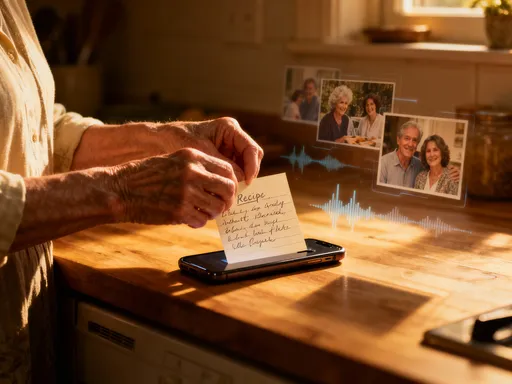
What if your home could protect your family without you lifting a finger?
Imagine coming home after a long day, exhausted, only to remember you left the back door unlocked—again. You’ve tried smart locks, cameras, even motion sensors. But they don’t *think*. They just beep, buzz, and demand your attention. What if your home could quietly watch over your family, prioritize what matters, and let you breathe? No more panic. No more overload. Just peace. That’s not fantasy—it’s what real home monitoring can do when it works *with* your life, not against it.
The Breaking Point: When Safety Feels Like Another Chore
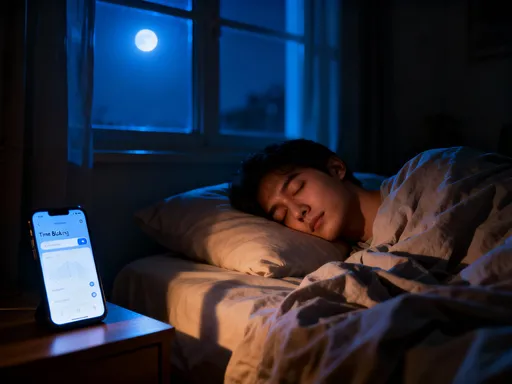
It was 2:17 a.m., and I was wide awake, staring at my phone screen. Another motion alert—this time from the backyard. My heart raced. Was it an animal? A neighbor’s dog? Or someone I didn’t want near my home? I opened the app, squinting at the grainy black-and-white footage. There it was: my cat, Mr. Whiskers, doing his usual midnight patrol. I sighed, closed the app, and rolled over. But sleep didn’t come. Because now I was thinking: Did I lock the front door? Was the garage fully closed? Did I arm the system before bed? It hit me then—my home security system, the thing I bought to make me feel safer, was actually making me more anxious.
Sound familiar? You’re not alone. So many of us—especially those of us juggling work, kids, aging parents, and everything in between—have turned home security into another mental load. We’ve downloaded the apps, set up the cameras, and armed the alarms. But instead of peace, we get pings. Dozens of them. Motion detected in the kitchen. Front door opened. Garage door status changed. Each alert feels like a tiny tug on your attention, and over time, it wears you down. You start ignoring them, which defeats the whole purpose. Or worse, you live in a low-grade state of alert, always waiting for the one that means something serious.
The irony is painful: tools designed to protect us end up stealing our calm. We’ve swapped one kind of worry—“Did I lock the door?”—for another, more constant kind: “What does this alert mean now?” It’s like having a security guard who knocks on your door every time a leaf blows by. Helpful in theory, exhausting in practice. And for busy moms, caregivers, and anyone who already carries the mental weight of a household, this constant noise isn’t just annoying—it’s emotionally draining.
I remember talking to my sister last winter. She’d just returned from a weekend trip and found three missed alerts about her back gate opening. She drove home in a panic, only to discover her teenage son had forgotten to latch it after taking the trash out. “I spent the whole drive imagining the worst,” she told me. “And it wasn’t even close to an emergency.” That’s when I realized: our homes aren’t keeping us safe. They’re keeping us stressed.
A Friend’s Simple Question That Changed Everything
Then, one rainy Tuesday, I met up with my friend Lisa for coffee. We’ve known each other since our kids were in preschool, and she’s always been the calm, practical one. That day, I was venting about my latest false alarm—motion near the basement window, which turned out to be a flickering light reflecting off a plant. “I’m about to give up on the whole thing,” I said, stirring my latte a little too hard. “It’s like I need a degree in home security just to use it.”
Lisa looked at me and said, “Why are you managing your home like it’s your full-time job?”
The question stopped me mid-sip. I laughed, but then I really thought about it. Why *was* I doing this? Why was I the one checking cameras, silencing alerts, second-guessing every notification? I didn’t sign up for this. I just wanted to know my family was safe.
That’s when Lisa told me about her new monitoring system—one that doesn’t just collect data, but *understands* it. “It learns,” she said. “It knows when the dog walker comes, when the kids get home from school, when we’re all asleep. It only tells me when something’s actually off.” She showed me her phone. One notification that morning: “Back door opened at 3:14 a.m.” That was it. No motion from the cat. No shadows from the trees. Just one clear, important alert. “I sleep better now,” she said. “And not just because the house is secure—because I’m not drowning in noise.”
It sounded almost too good to be true. But the more we talked, the more it made sense. What if technology didn’t just record everything and shout at us, but actually helped us *focus*? What if it could tell the difference between a real risk and a false alarm? What if it could take some of the mental load off my shoulders? For the first time, I felt hopeful. Maybe safety didn’t have to feel so heavy.
How Smart Monitoring Learns What You Care About
So how does this actually work? Let’s skip the tech jargon. Think of it like this: your home starts to learn your rhythm. It notices patterns—when you leave for work, when the kids come home, when the house goes quiet. It uses sensors, cameras, and smart algorithms not to spy on you, but to understand your normal. And when something falls outside that normal, it pays attention.
Imagine a thoughtful neighbor who’s known your family for years. They don’t knock every time your teenager pulls in the driveway or the dog barks. But if your front door opens at 2 a.m. on a Tuesday? That’s when they call. That’s the kind of intelligence modern monitoring systems are built on—not constant surveillance, but context-aware protection.
Here’s how it plays out in real life. The system sees that every weekday at 3:15 p.m., the school van drops off your kids. It knows they’ll head straight to the kitchen for a snack. So when motion is detected there, it doesn’t alert you. But if the same motion happens at 1 a.m.? That’s a different story. The system flags it, checks for other signs—like whether lights are on or doors are unlocked—and then decides: this is worth your attention.
It’s not magic. It’s machine learning, trained on your life. Over time, it gets better. It learns that the cat jumps on the counter every night at 10. It learns that your partner leaves the garage door open for five minutes when unloading groceries. It adjusts. And because it understands your routine, it can filter out the noise and focus on what truly matters. That’s the shift—from a system that *reacts* to one that *understands*.
One mom I spoke to put it perfectly: “It’s like having a co-pilot for my home. I don’t have to be on duty 24/7 anymore. I can trust that if something’s wrong, I’ll know. And if I don’t hear anything? That means everything’s fine. That peace of mind is priceless.”
Real-Life Wins: Fewer Alerts, More Trust
Let me tell you about Sarah, a nurse and mom of two from Ohio. She used to get over 20 alerts a day—mostly from her motion sensors near the staircase. Her kids, a 9-year-old and a 6-year-old, were always running up and down. “I’d get a ping every time someone moved,” she said. “After a while, I just stopped looking.” Then, she switched to a smarter system. Within a week, her daily alerts dropped to two or three—and they were the ones that mattered.
Like the time her 9-year-old came home early from a playdate. The system recognized it was outside the usual pickup window and sent a gentle alert: “Front door opened. No adult detected.” Sarah was at work, but she could quickly check the camera and see her son was safe. No panic. No confusion. Just a quick text: “Hi sweetie! I’ll be home soon. Snack in the fridge?”
Or the time her elderly mother stayed with them during a snowstorm. Mom had a habit of getting up at night for water. The old system would’ve sent an alert every time she walked to the kitchen. The new one? It learned her nighttime routine and only notified Sarah when her mom was up for more than ten minutes—which could signal a fall or confusion. “It gave me peace without being intrusive,” Sarah said. “I could rest knowing I’d be told if something was wrong.”
Then there was the morning her stove was left on after breakfast. The system, connected to a smart sensor, detected prolonged heat and sent an immediate alert with a photo. She was already at work, but she could shut off the burner remotely through the app. “That could’ve been a disaster,” she said. “But because the system knew it wasn’t normal for the stove to be on at 9:30 a.m., it stepped in.”
These aren’t isolated stories. More and more families are discovering that intelligent monitoring isn’t about watching every move—it’s about catching what you might miss. It’s about shifting from constant vigilance to quiet confidence. And that changes everything.
Setting It Up Without the Stress
I know what you’re thinking: “This sounds great, but I’m not tech-savvy. I can barely set up the printer. How am I supposed to teach my house to think?” I felt the same way. But here’s the truth: modern systems are designed for real people, not engineers.
Most setups take less than an hour. You start by placing sensors in key areas—doors, windows, hallways. Then, you connect them to a central hub or app. The system begins learning right away. For the first few days, it watches. It sees when you come and go, when the house is full, when it’s empty. You don’t have to program anything. It just… observes.
If you want, you can add a little guidance. Like telling the system, “This is when my kids get home,” or “The dog walker comes between 12 and 1.” But even if you don’t, it figures it out. One woman I spoke to—Janet, a retired teacher—set up her entire system in 45 minutes. “I followed the app’s instructions,” she said. “It talked me through each step like a friend. No confusing menus. No technical terms.”
And here’s the best part: it gets better over time. You don’t have to be perfect. If your schedule changes, the system adapts. Kids start a new activity? It learns the new pickup time. You go on vacation? It notices the house is quiet and adjusts its sensitivity. It’s not about setting it and forgetting it. It’s about growing into it, together.
The goal isn’t a flawless system. It’s a helpful one. One that reduces your stress, not adds to it. And the more you use it, the more it feels like a natural part of your home—quiet, reliable, and always looking out for you.
Peace of Mind That Travels With You
Here’s what I didn’t expect: the freedom. I used to feel tethered to my home. If I was at my daughter’s soccer game, I’d sneak glances at the app. If I stayed late at work, I’d wonder if I’d locked the back door. Now? I can be present. Really present. Because I know my home is watching over itself.
And that peace doesn’t stay at home. It travels with me. Last month, I took a short trip to visit my sister. I didn’t spend the whole drive worrying. Why? Because my system adjusts based on my location. When my phone leaves the house, it knows I’m gone. It arms itself. When I return, it senses my phone and welcomes me back—no fumbling for codes.
But the real game-changer is what happens when something’s wrong. One night, while I was away, the system detected motion in the basement during a heavy rainstorm. It checked the weather feed, saw the downpour, and noticed a window was slightly ajar. It sent an alert: “Possible water entry in basement. Window open.” I called a neighbor, who closed it before any damage happened. The system didn’t just see motion—it understood the context. And it acted.
Another feature I’ve come to rely on is emergency follow-up. If an alert goes unanswered—say, a fall in the bathroom or a smoke detector going off—the system can call a trusted contact or even dispatch help. For families with aging parents or young kids, that’s not just convenient. It’s comforting.
This isn’t about living in fear. It’s about living with confidence. Knowing that even when you’re not there, your home is still looking out for the people you love. That’s the kind of freedom that changes how you move through the world.
Raising a Calmer Home, One Smart Alert at a Time
At the end of the day, this isn’t just about technology. It’s about what we value most: our family, our time, our peace. We didn’t sign up to be security managers. We signed up to be moms, caregivers, partners, and friends. We want to be present—fully present—when our kids tell us about their day, when our parents share a memory, when our partner walks through the door with a smile.
When your home handles the small worries—Did I lock the door? Is the stove off? Is someone at the window?—you’re free to focus on what truly matters. You’re free to breathe. To laugh. To live.
I’ll never forget the first night I slept through without checking my phone. No alerts. No pings. Just quiet. And in that quiet, I felt something I hadn’t in years: safety. Not because the world had changed, but because my home had.
Technology doesn’t have to be cold or complicated. At its best, it’s warm. It’s thoughtful. It’s the quiet helper that lets you be the person you want to be—present, calm, and fully there for the ones you love. That’s not just smart monitoring. That’s smart living.