More than deals: How discount alerts quietly strengthened our family time
Remember those evenings scrolling endlessly through shopping apps, chasing discounts while your child asked for help with homework—or just your attention? I’ve been there. It felt like saving a few dollars came at the cost of meaningful connection. But what if the same technology that distracts us could actually bring us closer? Over time, I discovered that smart discount alerts, when used intentionally, didn’t just cut grocery bills—they gave us back something far more valuable: time, calm, and shared moments.
The Hidden Cost of “Smart” Shopping
It started so innocently. A quick glance at a deal while stirring dinner. A few taps on the phone during laundry folding. I told myself I was being efficient—maximizing savings, staying on top of household needs. But slowly, something shifted. The pings became constant. The deals, once helpful, started to feel like demands. I remember one night in particular: my daughter sat at the kitchen table, pencil in hand, waiting for me to check her spelling words. I was two screens deep—comparing prices on dish soap and paper towels—when she quietly said, “Never mind, Mom. I’ll ask Dad.” That moment stayed with me. It wasn’t about the soap. It was about what I was missing.
We’ve all been sold the idea that technology makes life easier. And in many ways, it does. But there’s a quiet trade-off we don’t talk about enough: the way digital distractions fracture our attention, especially during the small, sacred moments of family life. Bedtime stories were interrupted by pop-up coupons. Weekend plans were delayed because someone was finalizing an online cart. Even quiet time together—like folding laundry or baking cookies—became background noise for endless scrolling. The irony? These tools were supposed to save us time, but instead, they were stealing it, one notification at a time.
What made it harder was that I didn’t even realize how scattered I’d become. My brain felt foggy, my patience thinner. I’d snap over small things—mismatched socks, spilled milk—because I was mentally exhausted from making tiny decisions all day. And most of those decisions weren’t even important. They were about whether to buy 12 rolls of toilet paper for $7.99 or wait for next week’s deal. The mental load wasn’t just physical; it was digital. And it was weighing on all of us.
A Shift in How We See Alerts
The change didn’t come from deleting every app or swearing off online shopping. That felt extreme, and honestly, unrealistic. What helped was a simple shift in mindset: I stopped seeing discount alerts as urgent messages and started treating them like a helpful note from a thoughtful friend. One who only speaks up when something truly matters. I began asking myself: Does this alert serve my family, or is it just noise? That small question changed everything.
I started setting filters—both in the apps and in my habits. I turned off notifications for non-essential categories. No more buzzes for trendy kitchen gadgets or seasonal decor. I kept alerts only for things we actually use regularly: milk, eggs, laundry detergent, school supplies. I also set specific times to check deals—like Sunday evenings during our meal planning session. This wasn’t about using less technology; it was about using it with purpose. And the moment I gave myself permission to ignore the rest, I felt lighter.
I also created phone-free zones in our home. No devices at the dinner table. No scrolling during bedtime routines. These boundaries weren’t about punishment—they were about protection. Protection for our conversations, our laughter, our ability to really see each other. And something surprising happened: when I stopped reacting to every alert, I started noticing more. The way my daughter’s eyes lit up when she mastered a new word. The way my partner smiled when I actually listened instead of half-nodding while typing. The silence, once uncomfortable, became peaceful. And in that peace, we found space to reconnect.
Making Tech Work for Family Rhythms
Our home runs on rhythm. Mornings are for school prep and quick breakfasts. Weekends are for walks, baking, and lazy couch time. Sundays are for planning the week ahead. Once I realized how much structure we already had, I wondered: could discount alerts fit into this rhythm instead of disrupting it? The answer was yes—but only if I was intentional.
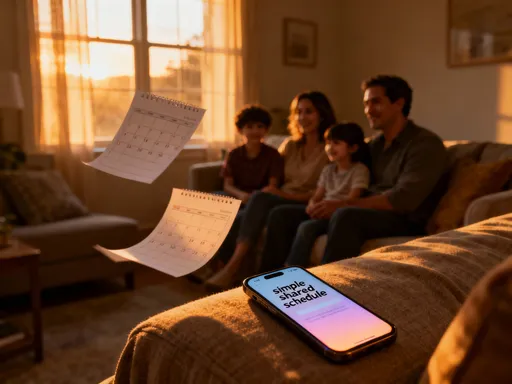
I started syncing alerts with our weekly planning time. Every Sunday evening, after dinner, we’d sit together with our meal plan and grocery list. That’s when I’d open the shopping app—not to browse, but to check for deals on the items we already needed. Suddenly, it wasn’t a solo task. My daughter loved helping. “Mom, granola bars are 30% off! Can I pick a flavor?” she’d ask, her voice full of excitement. We’d talk about choices: Do we need extra? Will they go to waste? It became a game, but also a lesson. She was learning about budgeting, planning, and making smart choices—all without feeling like it was a lecture.
This small shift changed the energy around shopping. It wasn’t something I did in secret, stressed and rushed. It became part of our family routine, something we did together. Even my partner got involved. “Hey, the apples are on sale this week,” I’d say, and he’d reply, “Great, we’ll make pie on Saturday.” The app wasn’t replacing us—it was supporting us. And because we were buying only what we planned for, there were fewer impulse purchases, less clutter, and less guilt. The savings added up, but so did the joy.
Small Tools, Big Moments
The real surprise wasn’t how much money we saved—it was how that savings began to fund our connection. With a little extra breathing room in the budget, we started a new tradition: monthly bookstore trips. Each of us got to pick one item under $10. It didn’t matter if it was a novel, a puzzle book, or a pack of colored pencils. The rule was simple: no screens, just browsing and choosing. These outings became something we all looked forward to.
What made it special was knowing that the money for these moments came from choices we made together. That $3 saved on pasta sauce? It helped pay for my son’s dinosaur coloring book. The 20% off on frozen berries? That covered my coffee while we read in the park. The app that once made me feel guilty for overspending was now quietly funding our happiest hours. And that shift—from saving *on* things to saving *for* things—changed how we thought about money, time, and what really matters.
I also noticed a change in our weekends. Without the mental weight of unfinished shopping lists or last-minute store runs, we had more energy. We took longer walks. We baked together. We even started a small garden in the backyard, using seeds we bought on sale. The savings weren’t huge, but the impact was. We weren’t just cutting costs—we were creating space for life to unfold more gently, more joyfully. And that, I realized, was the greatest return on investment.
Teaching Smart Choices Without Screens
One of the most unexpected benefits was how these small tech habits became teaching moments. Instead of hiding the shopping process, I started including my kids in it. “The apples are on sale this week,” I’d say. “Should we buy extra and freeze some for smoothies?” We’d talk about it over breakfast. Is this something we’ll actually use? Will it go bad before we eat it? What’s the difference between a need and a want?
These weren’t long lectures. They were short, natural conversations—just like talking about the weather or weekend plans. But over time, they built something important: awareness. My daughter began asking, “Is this on sale?” before adding things to the list. My son started comparing unit prices, proud to find the better deal. They weren’t just learning about money—they were learning about planning, patience, and making thoughtful choices.
And here’s the beautiful part: these lessons didn’t keep them glued to screens. In fact, it helped them unplug. Because we were talking about the digital world in real life, they didn’t feel the need to check apps on their own. The technology became a bridge, not a barrier. It gave us something to discuss, to decide on together. And in those moments, I saw confidence grow—not in how fast they could tap a screen, but in how wisely they could think.
When Simplicity Becomes a Gift
There’s a kind of peace that comes from walking into a store with a clear list and a clear mind. No last-minute decisions. No second-guessing. No standing in the cereal aisle for ten minutes, overwhelmed by choice. That’s what happened when I started using alerts with intention. I’d get a notification on Sunday night: “Pasta is 25% off this week.” I’d add it to the list. Done. No more mental clutter.
The real gift wasn’t the savings—it was the mental space it freed up. I had more energy for the things that mattered. Mornings were calmer because I wasn’t rushing to finish a shopping list. I had time to pack thoughtful lunches, to help with homework, to share a real conversation before the school bus came. Even my mood improved. Less decision fatigue meant less irritability. I wasn’t snapping over spilled milk anymore—because I wasn’t carrying the weight of a hundred tiny choices.
This simplicity spilled into other parts of life. I started applying the same principle to chores, schedules, even how I used social media. If it didn’t serve us, we let it go. And slowly, our days began to feel lighter. Not because we were doing less, but because we were choosing more wisely. Technology, when used with care, stopped being a source of stress and started becoming a quiet helper—one that supported our values instead of pulling us away from them.
Building a Life That Feels Lighter
Looking back, I can see that it wasn’t one app, one discount, or one rule that changed our family life. It was the mindset behind it. The realization that technology doesn’t have to control us—that we can shape it to serve our lives, not distract from them. When we align our tools with our values, something beautiful happens: we regain our time, our attention, and our connection.
Today, our family moves with more ease. We’re not perfect—we still have busy days, forgotten homework, and spilled juice on the floor. But the constant hum of digital stress is gone. Instead, we have moments: baking cookies with sale-priced chocolate chips, reading in the park with books bought on a budget, planning our next bookstore trip with excitement. These aren’t grand gestures. They’re small, quiet moments. But they’re ours.
And that’s the truth I’ve learned: the best technology isn’t the flashiest or the fastest. It’s the kind that helps us live more fully—without shouting for attention. It’s the alert that reminds us to buy milk on sale, so we can leave the store early and make it home in time for bedtime stories. It’s the app that helps us save a few dollars, so we can spend them on something that brings us joy. It’s not about the deal. It’s about what the deal makes possible.
If you’ve ever felt torn between wanting to save money and wanting to be present, I want you to know this: you don’t have to choose. With small, thoughtful changes, the same tools that once pulled you away can gently bring you back. Back to your family. Back to your time. Back to the moments that matter most. It starts with one alert. One choice. One moment of intention. And from there, a quieter, fuller life begins to grow.