After Testing 12 Family Apps, This One Cut Our Chaos by Half and Changed Everything
Remember that moment when your kid’s school event clashes with your partner’s meeting, and no one knows about the dentist appointment? I lived that chaos—until one app quietly fixed it all. It wasn’t flashy, just smart. No more missed calls, double-booked weekends, or “I thought you were handling it” moments. This is how our family finally found rhythm in the madness—using something simple, free, and surprisingly human.
The Breaking Point: When Our Family Calendar Became a Battlefield
There was a time when I felt like I was running a small logistics company instead of raising kids and sharing a life with my partner. Every morning started with a checklist in my head: Did I pack lunches? Is the dog’s vet appointment today or Thursday? Who’s picking up the kids from soccer? And yet, no matter how many sticky notes I left on the fridge or how many times I repeated things at dinner, someone always missed something. It wasn’t out of carelessness—it was overload. We were all trying to keep track, but we were doing it in silos. My husband used his work calendar. The kids had paper planners they sometimes remembered to write in. I had a notes app on my phone that looked more like a panic journal than an organizer.
Then came the breaking point. My youngest had a school play—a big role, one she’d practiced for weeks. I had it marked, of course. But my husband had a client call he forgot to reschedule. He showed up 20 minutes late, missing her first scene. She didn’t cry, but the look on her face—that quiet disappointment—cut deeper than any tantrum. That night, we sat on the couch, both exhausted, and admitted we weren’t failing because we didn’t care. We were failing because we were trying too hard—separately. We needed a system, not more effort. And not just any system: one that could hold everything—school events, doctor visits, grocery runs, birthdays, even my mom’s weekly calls—without making us feel like we were managing a military operation.
The emotional toll was real. I started dreading Sunday nights because they meant playing catch-up: scanning emails, calling teachers, texting my sister to confirm pickup schedules. I felt like I was always one step behind, and it made me short-tempered, distracted, and guilty. I wanted to be present with my family, but my brain was stuck in planning mode. We weren’t just mismanaging time—we were missing moments. And that’s when I knew: we needed help. Not a therapist (though that might’ve helped too), but a tool. Something that could sync us—not just our schedules, but our lives.
Why Most Family Apps Fail (And Why We Almost Gave Up)
We downloaded our first family app with hope. It had five-star reviews, a sleek interface, and promised to “revolutionize family coordination.” Within a week, it felt like another chore. Every time someone added an event, my phone buzzed with a notification. Then another. Then a reminder. Then a follow-up. It wasn’t helping—it was yelling at us. My teenager called it “annoying” and turned off notifications after two days. My mother, who I wanted to include so she could see when the grandkids had recitals, said, “I don’t want to download another app just to see a birthday.” And honestly? I didn’t blame her. The app felt like it was designed for productivity geeks, not real families with messy lives and mixed tech skills.
We tried another that looked like a social media feed for chores. Points for folding laundry? Badges for grocery shopping? My kids thought it was fun for about three days, then ignored it. My husband said it felt like being micromanaged. The problem wasn’t the features—it was the tone. It didn’t feel like it respected how families actually live. Real life isn’t gamified. You don’t earn trophies for getting your son to school on time when he’s wearing mismatched socks and crying because he lost his homework. We needed something that blended in, not something that demanded attention. Something that didn’t make us feel like failures when we forgot to log a dentist visit.
Then there were the apps that were too complicated. They had color-coded calendars, shared task assignments, and even budget tracking. Great—if you have a degree in project management. But for a family of five juggling school, work, and aging parents, it was overkill. I’d spend 20 minutes trying to figure out how to assign a recurring grocery list, only to realize I’d accidentally scheduled it for 3 a.m. on a Tuesday. The learning curve was steep, and no one wanted to climb it. We almost gave up. Maybe paper calendars were better. Maybe we just had to accept the chaos. But then I stumbled on an app that didn’t try to do everything—and because of that, it did the one thing we needed most: it worked.
The One That Finally Worked: Simple, Silent, and Surprisingly Smart
This app didn’t show up with fireworks. No AI assistant offering motivational quotes. No animated characters cheering when you completed a task. It was plain. Clean. Almost boring. But from the first week, it felt different. It didn’t bombard us with alerts. Instead, it sent one gentle reminder the day before an event—only if it was marked as important. If no one responded, it sent a soft follow-up the morning of. No pressure. No shame. Just a quiet nudge, like a family member saying, “Hey, don’t forget—soccer practice is at 4.”
What made it stick wasn’t its features, but its humility. It didn’t try to be the center of our lives. It stayed in the background, doing its job without drama. It learned. Not in a creepy, “it’s watching you” way—but in a thoughtful way. For example, it noticed that every Wednesday, I added a yoga class at 6 p.m. After a few weeks, it started suggesting the same time each week. Same with my daughter’s piano lesson. It wasn’t perfect, but it was trying—and that effort made us want to meet it halfway.
The real win? Adoption. My mom downloaded it because it was easy—she could see the family calendar in one view, no logging into multiple tabs. My teenager started using it because she could customize her notifications—she chose a subtle chime, not a loud alarm. My husband liked that he could sync it with his work calendar without overlap. And I? I loved that I could add a voice note instead of typing when I was driving. “Hey, don’t forget milk and bananas,” I’d say, and it would appear in the shared list. It wasn’t just functional—it felt personal. It didn’t replace our communication. It supported it. And slowly, without fanfare, it became the one place we all checked. Not because we had to—but because we wanted to.
How We Set It Up (And Made It Stick for Good)
We didn’t switch overnight. I’ve learned that big changes fail when they feel like an ultimatum. So we started small. Just one shared event: Sunday dinner. Every week, someone would add it—usually me—and mark who was coming. At first, it felt silly. We’d been having Sunday dinner for years. But using the app made it official. And when someone couldn’t make it, they’d mark it in advance. No last-minute texts. No hurt feelings. Just clarity.
Once that felt natural, we added one more thing: the kids’ extracurriculars. We created a shared view where each child had their own color. Soccer, dance, math club—everything went in. The rule? If it’s on the calendar, it’s a family commitment. That meant if my son had a game, we all adjusted. No scheduling dentist appointments during finals week. No planning trips over recital dates. The app became our family’s rhythm keeper.
The key to making it stick? No blame. No “I told you so” moments. If someone missed something, we asked, “Was the reminder clear?” not “Why didn’t you check?” We let each person choose how they wanted to engage. My daughter liked getting email summaries. My husband preferred pop-up alerts. I used voice notes when my hands were full. And we celebrated the wins—like the time we all showed up to the same place at the same time without chaos. “Look at us,” I said, laughing. “We’re basically functioning adults.” It wasn’t perfection. But it was progress. And that made all the difference.
The Ripple Effect: More Than Just Scheduling
Once the logistics settled, something unexpected happened: we had more mental space. I wasn’t constantly replaying the week in my head, worried I’d missed something. My husband wasn’t stressed about double-booking meetings. The kids knew their routines, so they were calmer too. And in that calm, we found presence. We started having real conversations at dinner—about school, dreams, even silly jokes—instead of just logistics. “How was your day?” wasn’t a checklist anymore. It was an invitation.
We even started planning small surprises. One Saturday, I saw a sunny forecast and a free afternoon on the calendar. I whispered to the kids, “Let’s pack a picnic and surprise Dad.” We made sandwiches, grabbed a blanket, and drove to the park. He was shocked—and so happy. That moment wouldn’t have happened a year ago. We were too busy surviving. But now, with the basics handled, we had room to breathe, to dream, to just be.
The app didn’t create those moments—but it made space for them. It didn’t add joy. It removed noise. And in doing so, it gave us back something precious: time. Not just minutes on a clock, but mental bandwidth. Emotional energy. The kind that lets you notice your daughter’s new haircut, or your husband’s tired eyes, and say, “Hey, let’s take a walk.” That’s the real win. Not fewer missed events—but more connection.
Customizing for Real Life: From Grocery Lists to Emergency Contacts
We turned the app into our family hub—our digital home base. We added shared shopping lists that update in real time. No more “I thought you bought milk” arguments. If someone’s at the store, they check it off. If someone’s cooking, they add what’s missing. We even created themed lists: “Back to School,” “Holiday Prep,” “Mom’s Birthday Surprise.” It sounds simple, but it’s saved us hours of miscommunication.
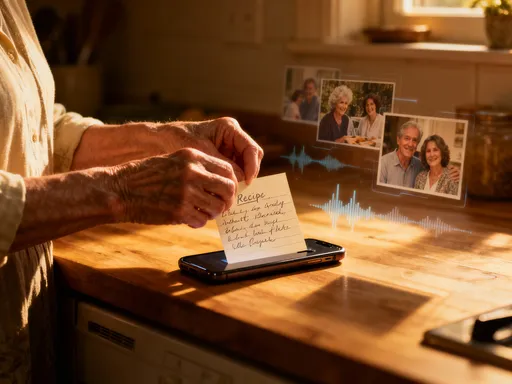
Then we added a shared photo album—just for quick moments. A drawing from school. A sunset from Dad’s commute. A silly face at breakfast. We don’t post to social media. This is just for us. And it’s become something we all look forward to. My mom says it makes her feel closer, even when she’s miles away.
One of our favorite features? The “out of office” mode. When someone needs quiet time—maybe after a long workday, or during a big project—they can set a status. It shows up on the family view as a soft gray banner: “Mom needs downtime until 8 p.m.” No questions. No interruptions. It’s a small thing, but it’s taught us to respect each other’s energy. We’re not always “on.” And that’s okay.
We also added emergency contacts and medical info—just in case. Not because we expect disaster, but because peace of mind matters. Knowing that everyone has access to the pediatrician’s number, or the dog’s vet record, makes us feel safer. It’s not just about efficiency. It’s about care. This app isn’t just organizing our days—it’s helping us take care of each other.
Why This Isn’t Just About Apps—It’s About Connection
Let’s be clear: technology won’t save your family. No app can replace a hug, a deep conversation, or the way your child laughs when you tickle them. But the right tool, used with intention, can remove friction. It can clear the clutter so you can focus on what matters. We still have messy days. We still argue about chores. My son still leaves his socks everywhere. But now, when life gets loud, we have a quiet place to sync, to breathe, to remember we’re on the same team.
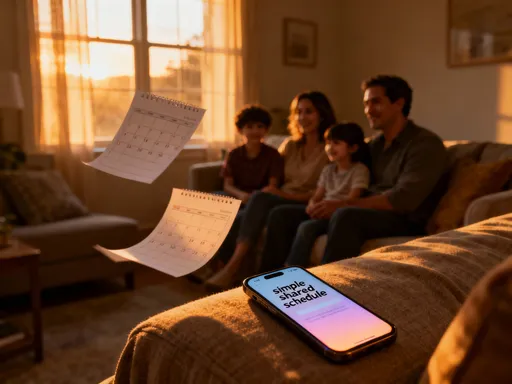
That shared calendar? It’s more than a schedule. It’s a promise. A promise that we’re showing up for each other. That we’re paying attention. That we’re building a life together, not just sharing a house. The app didn’t change us—but it gave us the space to become more like the family we want to be.
So if you’re drowning in reminders, if you’re tired of the “I thought you were handling it” cycle, I get it. I’ve been there. And I’m not saying this one app will fix everything. But I am saying that sometimes, the smallest tools can make the biggest difference. It’s not about being perfect. It’s about being present. And if a simple, silent app can help you find more of that—well, isn’t that worth trying?