I Kept Meaning to Record Grandma’s Stories… Until This Simple Morning Habit Changed Everything
Every morning, we rush—coffee, emails, the endless to-do list. But deep down, many of us carry a quiet regret: the family stories we keep meaning to save, yet never do. What if just five minutes over breakfast could preserve decades of memories? This is how a small tech habit transformed my mornings into meaningful moments of connection. I didn’t need special equipment or hours of time—just a phone, a question, and the willingness to listen. And in those quiet moments, I found something priceless: my family’s voice, alive and close, even when years or miles separate us.
The Stories We Almost Lost
How many times have you said, "I should really ask Mom about that," only to realize later you never did? I was one of those people—full of good intentions but short on action. My grandmother, Mabel, had the most musical laugh I’d ever heard. It wasn’t loud, but it bubbled up from deep inside, like she was surprised by her own joy. I can still picture her sitting in her favorite armchair, apron tied tight, telling stories about canning peaches in the summer heat or how she met Grandpa at a county fair. But when she passed, I realized something heartbreaking: I had no recording of that laugh. Not one. No voice note, no video, nothing. Just my fading memory of a sound that once filled my childhood summers.
It wasn’t just her laugh. It was the way she said, "Bless your heart," when I spilled milk. It was her recipe for buttermilk biscuits—the one she claimed was passed down from her mother but never wrote down. I used to think I’d have more time. "I’ll sit down with her next visit," I’d tell myself. But "next time" turned into "too late." And it wasn’t just me. At her funeral, cousin Sarah whispered, "I wish I knew more about Great-Grandma Ruth. Did she sing? What scared her? What made her proud?" We were standing in a room full of people who loved her, yet so much of her life had vanished with her voice.
That’s when it hit me: memories are fragile. Photos capture faces, but voices carry soul. And we’re losing them every day, not because we don’t care, but because we wait. We think preserving family history is something big—like writing a book or filming a documentary. But what if it’s not? What if it’s as simple as pressing a button during your morning routine? I didn’t want another regret. So I decided to start—right then, with the people still here. And I began not with a camera or a notebook, but with the device already in my hand: my phone.
Why Mornings Work Best for Family Story Recording
If I’d tried to do this in the evening, I’d have failed. By 8 p.m., I’m tired. The kids are winding down, the dishes are piling up, and my brain is foggy. But mornings? Mornings are different. There’s a stillness before the world wakes up. The house is quiet. The coffee is warm. And for a few golden minutes, I’m not rushing—I’m just present. That’s when I found I could actually listen.
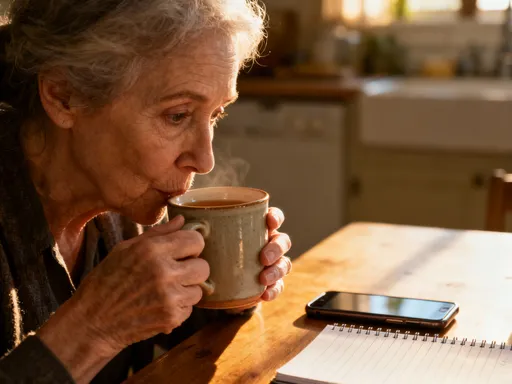
I started calling my mom every other morning. Not for long—just five minutes. I’d say, "Hey, Mom, while I have my coffee, can I ask you one thing?" And I’d ask a single, simple question. "What was your first job like?" or "What did you and Dad do on your first date?" At first, she’d pause, like she was digging deep. But then, slowly, the stories would come. And something amazing happened: she started looking forward to it. "I was thinking about your question," she told me once. "It made me remember something I hadn’t thought of in years."
Mornings work because they’re low-pressure. There’s no agenda, no performance. Just two people, a shared history, and a moment of connection. I’ve learned that people are more open when they’re not tired or distracted. My dad, who usually grunts one-word answers, once spent ten minutes describing the first time he saw the ocean—how the waves scared him, how the salt stung his eyes, how he never wanted to leave. That story lives now in a 90-second voice memo. And every time I play it, I feel like I’m standing beside him on that beach, hearing the waves crash just like he did.
There’s also something sacred about starting the day with memory. Instead of scrolling through news or emails, I begin with love. With roots. With who I am. And that shift—small as it seems—has changed the entire tone of my days. I feel more grounded. More grateful. More connected. The morning isn’t just about getting ready for life. It’s about remembering why life matters.
The 5-Minute Routine That Actually Sticks
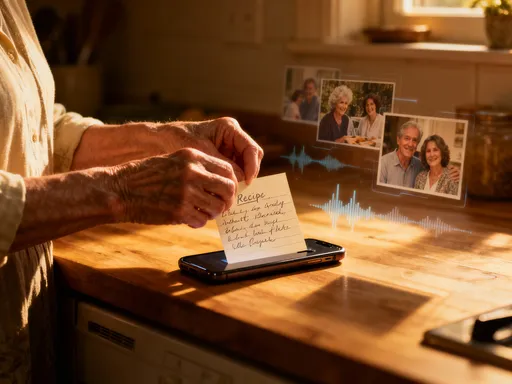
Here’s the truth: I’ve tried a lot of habits that didn’t last. Journaling. Meditation. Even that fancy meal-planning app. Why? Because they felt like chores. But this—recording family stories—didn’t. And the reason is simple: it’s effortless. I didn’t buy new gear. I didn’t download a complicated app. I just opened the voice memo app that came with my phone. The one I already use to record grocery lists or remind myself of a song title.
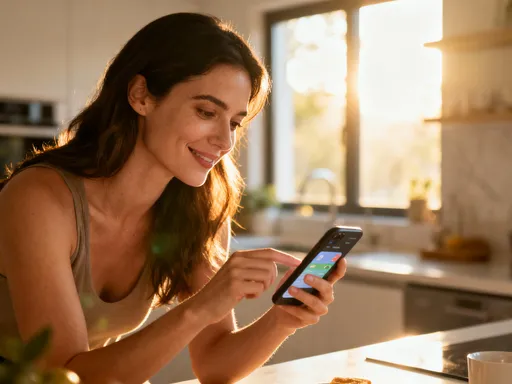
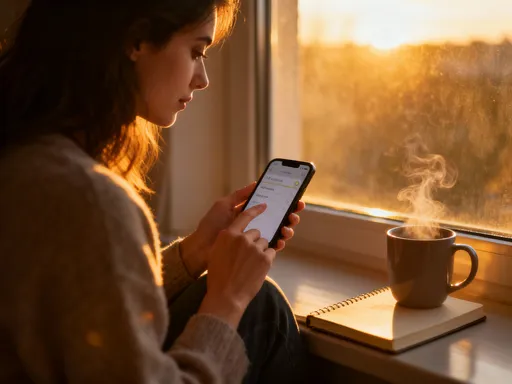
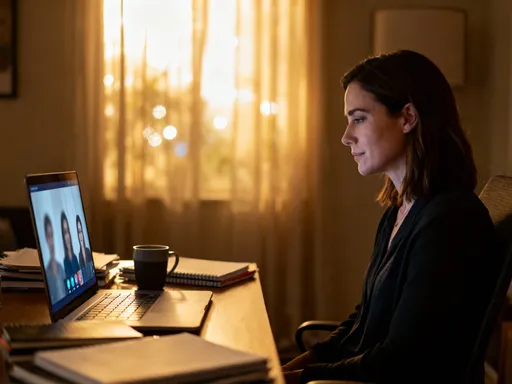
My routine is basic. I pour my coffee. I sit by the window. I open the app. I say, "March 12, call with Mom." Then I ask one question. That’s it. I don’t edit. I don’t transcribe. I don’t even listen back right away. I just save it and go on with my day. No pressure. No perfection. Just presence.
And because it’s so small, I never skip it. Even on busy mornings, five minutes is doable. If I’m traveling, I do it over speakerphone while packing. If I’m sick, I record a question for later. The key is consistency, not length. And over time, those tiny clips added up. I now have over 40 recordings—just from my parents. Stories about their childhood pets, their first car, the song that played at their wedding. Each one is like a little time capsule, waiting to be opened.
What surprised me most was how much my family appreciated it. My mom told me, "It makes me feel important, like my life matters." And that hit me hard. Because isn’t that what we all want? To be remembered? To know our stories won’t disappear? This habit isn’t just about preserving the past. It’s about honoring the present. And the best part? It takes less time than brushing your teeth.
Turning Voice Notes into a Shared Family Treasure
At first, this was my little project. Just me, my phone, and my parents. But everything changed when I played a clip for my cousin Lisa. It was a recording of my aunt—her mom—telling a story about getting stuck in a hayloft as a kid and how her dog barked until someone came to rescue her. The way she said, "That dog was smarter than all of us," made us both burst out laughing. Then, suddenly, we were crying. Because it wasn’t just a story. It was her voice. Her laugh. Her spirit. And we realized: we might not get another one.
So I did something simple. I sent the clip in our family group chat. Just a quick note: "Thought you’d love to hear Mom’s voice again." Within minutes, my uncle replied, "Play it again. I needed that today." My cousin wrote, "I miss her so much. Thank you for keeping her close." That’s when I realized these recordings weren’t just for me. They were for all of us.
Now, it’s become a shared tradition. My brother started recording his kids asking Grandma questions. My niece recorded her grandpa teaching her how to say "I love you" in the language his parents spoke. We don’t all live near each other, but these clips make us feel close. We share them on birthdays, holidays, or just random Tuesdays when someone’s feeling low. They’ve become our family’s emotional playlist—songs of memory, laughter, and love.
And here’s the beautiful part: it’s not just about the past. It’s about building something for the future. My son now asks, "Can I record Nana today?" He wants to save her voice too. And I think, one day, when I’m gone, he’ll have mine—not just in photos, but in stories. In tone. In feeling. That’s a gift no store can sell.
How Technology Makes Emotional Work Easier
I used to think preserving memories was hard work. I imagined expensive recorders, complicated software, hours of editing. I thought I needed to be a tech expert or a professional archivist. But the truth? My phone does almost everything for me. The voice memo app automatically saves recordings to the cloud. They’re backed up. Safe. No fear of losing them if my phone breaks. I can access them from my tablet, my laptop, even my smart speaker. And sharing? Just a tap. No cables, no emailing large files, no stress.
The technology isn’t flashy. It doesn’t buzz or flash or demand attention. It works quietly in the background, like a loyal friend. And that’s exactly what I need when dealing with something as tender as memory. I don’t want gadgets getting in the way. I want the person’s voice to be the star. The tech? It’s just the stage.
I’ve also learned that clarity isn’t everything. Some recordings have background noise—my dog barking, the kettle whistling, my son yelling from the other room. But you know what? Those sounds are part of the story too. They’re real. They’re life. And when I listen back, I don’t hear distractions. I hear a moment. A real, unpolished, beautiful moment.
What’s changed most is my peace of mind. I used to worry about forgetting. About losing voices. Now, I trust the process. I trust the little app that holds my family’s laughter, wisdom, and love. It’s not a replacement for being together. But it’s a bridge. A way to stay close, even when we’re apart. And in a world that moves so fast, that’s a kind of magic.
Starting Small: Questions That Open the Floodgates
You don’t need to be a journalist. You don’t need a list of 50 questions. Start with one. Just one. Something light. Something warm. "What did you love most about your hometown?" "What was your favorite thing to eat as a kid?" "Who made you laugh the most growing up?" These aren’t deep interviews. They’re doorways. And sometimes, stepping through one leads you to a whole house of memories you didn’t know was there.
I asked my dad, "What was Mom like when you first met her?" I expected a simple answer—"She was pretty," "She was kind." But instead, he told me about the first time he saw her at a church picnic. How she was handing out lemonade and spilled some on his shirt. How she laughed and said, "Well, now you’ll remember me, won’t you?" And how, right then, he knew. That two-minute clip is now one of my most treasured recordings. Not because of the facts, but because of the feeling. The tenderness in his voice. The way he still sees her, after all these years.
Other questions that worked: "What did you want to be when you grew up?" "What’s a rule you broke as a kid?" "What song always makes you cry?" Even "What made you laugh today?" can open a window. My mom once answered that with a story about a squirrel stealing her sandwich off the picnic table. We both laughed so hard I had to pause the recording.
The key is curiosity, not perfection. Don’t worry about getting it right. Just show up. Ask. Listen. Let the story unfold. And don’t be surprised if your heart swells, if you tear up, if you feel suddenly closer. That’s not an accident. That’s connection. That’s what this is really about.
A Habit That Gives Back More Than You Expect
This habit has changed more than my phone storage. It’s changed me. I listen better now—not just to my parents, but to my kids, my friends, my husband. I’m more patient. More present. Because I’ve learned that everyone has a story worth hearing. And when you make space for it, something beautiful happens: people feel seen. Valued. Loved.
My mornings no longer feel rushed. Even when I’m busy, that five minutes feels sacred. It’s not just about recording. It’s about remembering what matters. Family. Love. Legacy. And the incredible gift of time.
One day, my children will be grown. They’ll face their own losses, their own regrets. But I hope they’ll have my voice. Not just in old videos or faded photos, but in the sound of me telling them a story over breakfast. Laughing at a memory. Saying, "I love you," not in a text, but in a tone that carries everything.
Technology gets called cold, impersonal, distracting. But in this small way, it’s done the opposite. It’s helped me hold on. It’s helped me love louder. And it’s taught me that the most powerful thing we can save isn’t data or files—it’s each other. So this morning, before you check your email or scroll through your feed, ask one question. Press record. Let someone’s voice fill your ears and your heart. Because someday, that sound might be the one thing you’d give anything to hear again.