I thought I could juggle it all: How video chat turned my chaos into calm
We’ve all been there—racing between meetings, forgetting check-ins with loved ones, drowning in a to-do list that never shrinks. I used to pride myself on multitasking, until I realized I was doing everything at once and nothing well. Then I started using video chat apps not just for calls, but as a real-life organizer. They helped me schedule, connect, and breathe easier. It wasn’t about the technology—it was about reclaiming my time, my focus, and my peace. And it can do the same for you.
The Moment Everything Felt Overwhelming
I remember that Tuesday morning like it was yesterday. My laptop was open to five different tabs—work email, a half-written grocery list, a doctor’s appointment reminder, a school newsletter, and a calendar packed with overlapping blocks of color. My phone buzzed: a missed call from my sister, again. I had promised to call her back two days ago. Then another alert popped up—my manager needed a report in two hours. I stared at the screen, heart pounding, trying to figure out where to even begin. I wasn’t managing my life—I was surviving it, one crisis at a time.
Like so many women I know, I wore my busyness like a badge of honor. If I was exhausted, it meant I was doing it all—being a good employee, a caring daughter, a present mother, a thoughtful friend. But the truth was, I was spread so thin that I wasn’t truly showing up for anyone, not even myself. I’d forget birthdays, miss family updates, and feel guilty every time I saw an unread message from someone I loved. I thought being busy was the price of being responsible. But what if I was wrong? What if true responsibility wasn’t about doing more, but about doing what matters—consistently, calmly, and with presence?
That morning, something shifted. I sat back, took a breath, and asked myself: What if I stopped trying to juggle everything and started building a system that actually worked? Not a complicated one, not a perfect one—but one that fit my real life. That’s when I began to see video chat not as just another app on my phone, but as a lifeline. A simple, human-centered tool that could help me reconnect—with my time, my people, and myself.
Rethinking Video Chat: From Social Calls to Daily Structure
We all know video chat as the tool we use for work meetings or catching up with family who live far away. We think of it as something we do when we have time. But what if we flipped that idea? What if we treated video chat not as a luxury, but as a foundation for our daily rhythm? That’s exactly what I started doing. I stopped seeing it as just a way to talk—and started using it as a way to anchor my day.
One of the first things I tried was scheduling a weekly five-minute video call with myself. Yes, really—me, talking to myself on camera. It sounds strange at first, I know. But here’s the thing: when you see your own face on the screen, you show up differently. You can’t just half-listen or scroll away. You’re present. I’d sit at my desk every Sunday evening, open the app, and talk through my week. What were my priorities? What did I need to let go of? How was I feeling? Those few minutes weren’t about productivity hacks—they were about clarity. And over time, that small ritual became the most grounding part of my week.
I also started treating family calls the same way. Instead of waiting for someone to call or hoping I’d remember to reach out, I scheduled recurring video check-ins—like a standing meeting. Every Friday at 7 p.m., I’d have a 10-minute call with my mom. Every other Sunday, my sister and I would sync up about family plans. These weren’t long conversations. They didn’t need to be. But because they were scheduled and on video, they became reliable touchpoints. No more guessing who needed what. No more last-minute surprises. Just consistency. And that consistency? It didn’t just help me stay organized—it helped me feel connected, even on the busiest days.
Building a Personal Workflow with Visual Routines
One of the biggest problems with to-do lists is that they’re invisible. You write something down, you forget it, or you feel guilty when it’s still there at the end of the day. But when you commit to something face-to-face—even if it’s through a screen—it feels different. There’s emotional weight to seeing someone’s face, hearing their voice, making eye contact. That’s what I started using to my advantage.
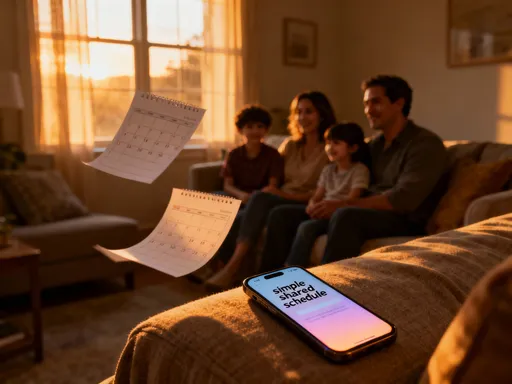
I replaced vague plans with real, visual routines. Every Sunday morning, I’d have a short video call with my sister to go over our family calendar. We’d talk about my nephew’s soccer games, my mom’s doctor appointments, who was picking up groceries. We’d share screens and update the family calendar together. Because we were both looking at the same thing, there was no confusion, no double-booking, no forgotten details. It took less than 15 minutes, but it saved us hours of back-and-forth texting during the week.
I did the same with work. Instead of sending five emails to clarify a project, I’d schedule a quick five-minute video call with my colleague. We’d share screens, review the task list, and align on next steps. The visual cue of seeing each other made the conversation more focused and more human. We weren’t just exchanging information—we were building understanding. And because we could see each other’s reactions, we could adjust in real time. No more miscommunications. No more delays.
Even my personal goals got a video boost. I wanted to start meal prepping, but I kept putting it off. So I invited a friend to join me—virtually. Every Saturday morning, we’d hop on a video call, open our kitchens to each other, and cook together. We’d share recipes, laugh about our messes, and hold each other accountable. It wasn’t about being perfect—it was about showing up. And because we could see each other, we were less likely to bail. That visual connection turned a lonely chore into a shared joy.
Staying Connected Without Losing Time
I used to think that staying close to the people I loved meant long phone calls or long texts. I’d feel guilty if I didn’t have time for a 30-minute chat with my mom or a detailed message to my cousin. But the truth is, those long conversations often felt like another task on my list. And when I didn’t have the energy, I’d avoid them altogether—until the guilt built up again.
Then I realized: connection doesn’t have to be time-consuming to be meaningful. In fact, short, intentional moments can be even more powerful. I started replacing those long catch-ups with tiny, scheduled video touches. A 7-minute call with Mom before her afternoon walk. A 3-minute goodnight wave to my nephew before he fell asleep. A quick smile and ‘How was your day?’ to my best friend on her lunch break.
These weren’t grand gestures. But they added up. And because they were short and predictable, they didn’t drain me—they filled me up. I wasn’t scrambling to find time. I wasn’t apologizing for being busy. I was simply showing up, consistently, in a way that worked for both of us. And something beautiful happened: the guilt disappeared. I no longer felt like I was failing my relationships. Instead, I felt like I was nurturing them—without burning out.
What surprised me most was how much deeper these small moments felt. Because they were focused and present, they carried more emotional weight than a long, distracted call. I wasn’t multitasking. I wasn’t half-listening while folding laundry. I was looking into their eyes, really seeing them, even through a screen. And that made all the difference. The app didn’t replace love—it protected it, by making it simple, sustainable, and joyful.
Creating Accountability Through Shared Screens
One of the most powerful features of video chat isn’t the camera—it’s the screen share. And I didn’t realize how much I was missing until I started using it to build accountability with the people I care about. We often talk about our goals—getting organized, eating healthier, reading more—but we rarely do them together. We try to change in isolation. And that’s hard.
So I invited a friend to join me in a real, live decluttering project—over video. We both wanted to clear out our closets, but we kept putting it off. So we scheduled a Saturday morning call and turned on screen share. We didn’t just talk about it—we did it, together. I’d show her what I was sorting, she’d give me feedback, and we’d laugh over old clothes and forgotten memories. When I hesitated about letting go of something, she’d gently ask, ‘When was the last time you wore it?’ And when she was stuck, I’d do the same.
It wasn’t just about cleaning—it was about companionship. The screen share made it feel like we were in the same room, even though we were miles apart. And because we were both committed to the same goal, we held each other accountable in the kindest way. We celebrated small wins—‘You got rid of ten bags!’—and encouraged each other when it got hard.
We’ve since used screen sharing for other things too—planning a family reunion, reviewing a budget, even learning a new recipe together. The screen isn’t just a tool for work presentations. It’s a space for shared progress. And when you can see someone’s face while they’re working toward a goal, it changes everything. It turns loneliness into connection. It turns overwhelm into teamwork. And it makes the journey feel lighter, even when the task is big.
Turning Chaos into Calm: The Emotional Payoff
The biggest change I’ve noticed isn’t in my calendar—it’s in my mind. Before, I lived in a constant state of low-grade anxiety. I was always worried I was forgetting something. I’d lie in bed at night, mentally scrolling through my day, wondering if I’d missed a call, a deadline, a birthday. My brain felt like a browser with too many tabs open—no focus, no peace.
Now, that noise has quieted. Because my days are structured around real, human moments—not just digital alerts—my mind feels calmer. I don’t have to remember everything because my system remembers for me. The scheduled video calls act like gentle reminders, pulling me back to what matters. And because I’m actually connecting, not just checking boxes, I feel more fulfilled.
I’ve also noticed that I’m more patient—with myself and with others. When I’m not constantly reacting to chaos, I can respond with intention. I’m more present with my family. I listen better. I laugh more. I don’t feel like I’m always behind. I feel like I’m exactly where I need to be.
And here’s the thing I didn’t expect: I feel more in control of my life, not because I’m doing more, but because I’m doing less—less juggling, less guessing, less guilt. Video chat didn’t add to my plate. It cleared the clutter. It gave me space to breathe. It reminded me that technology doesn’t have to be cold or complicated. It can be warm, human, and deeply personal. It can help us reclaim our time, our focus, and our peace—one real conversation at a time.
Making It Work for You: Simple Steps to Start
You don’t need a new app, a fancy system, or hours of free time to start. You just need the video chat app you already have and a willingness to try something different. Begin small. Pick one area of your life that feels messy or disconnected and use video chat to bring it back into balance.
Try scheduling a five-minute video call with yourself every week. Find a quiet spot, turn on the camera, and ask yourself: What do I need this week? What can I let go of? How am I really feeling? You’ll be surprised how much clarity comes from simply seeing yourself and speaking your truth out loud.
Next, choose one relationship you want to strengthen and set up a recurring video check-in. It could be with your mom, your sister, your best friend, or your child. Keep it short—5 to 10 minutes. Make it consistent. Use it to sync up, share updates, or just say hello. The goal isn’t length—it’s reliability.
Then, pick one task you’ve been avoiding and invite someone to do it with you—live on video. It could be organizing a drawer, planning meals, or reviewing finances. Share your screen, talk through it, and let the shared presence keep you on track. You’ll get it done faster, and you’ll enjoy it more.
Finally, be kind to yourself. You don’t have to do this perfectly. Some weeks, you might miss a call. That’s okay. The point isn’t to add pressure—it’s to create ease. Over time, these small moments will weave together into a life that feels more organized, more connected, and more peaceful.
Remember, it’s not about more technology. It’s about better connection. It’s about using the tools we already have to build a life that feels calmer, clearer, and more meaningful. You don’t have to juggle it all. You just have to show up—on screen, in person, in your own life. And when you do, you’ll find that peace isn’t something you chase. It’s something you create, one honest, face-to-face moment at a time.