Tired of missing family moments? How video diaries brought us closer
You’re not alone if you’ve ever felt disconnected from your family, even when living under the same roof. Between busy schedules and screen distractions, real moments slip away. I started a simple habit—recording short family video diaries—and it quietly transformed our home. We laugh more, listen better, and actually see each other. This isn’t about perfect videos; it’s about presence. Let me show you how this small tech-powered ritual improved our connection and coordination, one clip at a time.
The Silent Drift: When Life Gets in the Way of Family
Remember when dinner used to mean everyone around the table, sharing stories about the day? Now, it often looks more like passing ships—someone heating leftovers at 8 p.m., another scrolling through messages, a child rushing off to finish homework before bed. We’re all in the same house, but sometimes it feels like we’re living in different time zones. I started noticing how little I really knew about my kids’ days. What made them laugh? What made them frustrated? My partner and I were so focused on getting through the to-do list that we forgot to check in with each other, too.
It wasn’t one big fight or crisis that made me realize something was off. It was the small things. My daughter mentioned in passing that she’d won a spelling bee—two weeks after it happened. My son looked tired for days, but I didn’t ask why until he finally said, “No one ever listens.” Ouch. That hit hard. I realized we were all talking, but no one was truly listening. Our home had become efficient, but it had lost its warmth. We were managing logistics, not building connection. And the worst part? We didn’t even notice until the distance was already there.
This isn’t just my story. So many of us are caught in the same cycle—working, driving, cleaning, planning—while the people we love most become background noise. Screens don’t help. We’re all guilty of glancing at our phones during conversations or using TV as a default way to unwind. It’s not that we don’t care. We’re just overwhelmed. But here’s the truth: connection doesn’t happen by accident. It needs space. It needs intention. And sometimes, it needs a little help from technology—not to distract us, but to bring us back to each other.
A Simple Idea: Starting with One Minute a Day
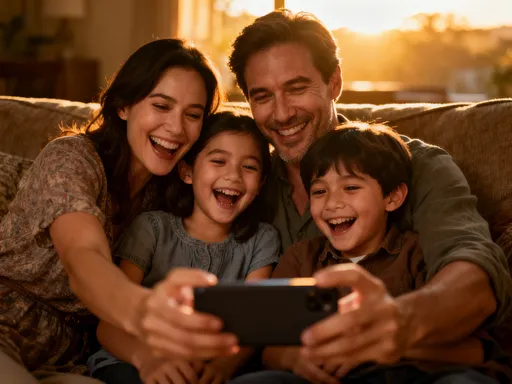
I didn’t set out to fix everything. I just wanted one small thing to change. One evening, after another quiet dinner where everyone disappeared to their rooms, I sat on the couch and asked my family, “Hey, want to say something for tonight’s video?” I wasn’t sure what I expected. Maybe a shrug, maybe an eye roll. But my youngest jumped up and said, “Can I show my drawing?” My daughter said, “Only if I can do a dance,” and my partner smiled and said, “I’ll go last.” We pulled out my phone, hit record, and for two minutes, we just talked—about the drawing, the dance, and how my partner had burned the toast that morning. It wasn’t polished. It wasn’t long. But it was real.
That first video was shaky and a little awkward, but we laughed. And the next night, someone asked, “Are we doing the video?” We did. And the night after that. We didn’t set rules. No scripts, no time limits, no pressure to be funny or impressive. Sometimes it was just, “Hi, I’m tired. Goodnight.” Other times, it was a full-on puppet show. The point wasn’t the video—it was showing up. It was saying, “I’m here. I see you. I want to share this moment with you.”
What surprised me most was how quickly it became something we all looked forward to. My kids started reminding me. My partner began sharing little thoughts he’d had during the day—things he never would’ve brought up in regular conversation. “I was thinking about that trip we took last summer,” he said in one clip. “I didn’t realize how much I missed just being still with you all.” That moment stayed with me. Because that’s what this habit became: a pause button in a world that never stops moving. It wasn’t about capturing perfection. It was about creating space for presence—and discovering that even one minute a day can make a difference.
How Video Diaries Quietly Improved Our Coordination
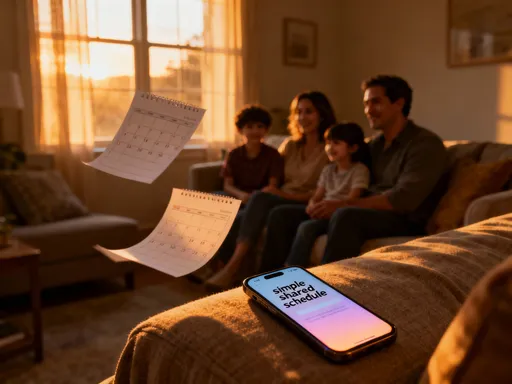
Here’s something I didn’t expect: our family video diaries didn’t just help us feel closer—they actually made daily life run smoother. At first, the videos were just for sharing feelings or funny moments. But slowly, they became a place where we shared practical things too. “I have soccer practice until 7 tomorrow,” my son said in one clip. “Can we eat later?” My daughter mentioned she had a project due and needed quiet time after school. Even my partner started using it: “I’ve got a late meeting, so I’ll pick up dinner on the way home.”
Before, these updates would’ve come in rushed texts or forgotten reminders. Someone would show up hungry, or we’d double-book the car, or I’d plan an activity without realizing someone was already busy. But with the video diary, it was different. Everyone got to hear the updates at the same time, in a calm way. No one felt interrupted. No one felt like an afterthought. It became our gentle, low-pressure family bulletin board—except it wasn’t cold or impersonal. It was warm, human, and full of tone and expression. You could hear the tiredness in someone’s voice or the excitement behind a plan.
Over time, this small habit reduced so many little conflicts. We stopped asking, “Why didn’t you tell me?” or “I thought you were home tonight.” The videos created a shared awareness that made our home feel more like a team. And because it was part of a ritual we already enjoyed, it didn’t feel like another chore. It felt like checking in with the people who matter most. Even our youngest learned to listen and respond: “Mom, you said you were tired in the video, so I set the table for you.” That kind of awareness didn’t come from rules—it came from connection.
Turning Moments into Memories: The Unexpected Treasure
We started the videos to stay connected in the present, but one rainy afternoon, we discovered their gift from the past. I was looking for a photo on my phone and stumbled on our first video. Out of curiosity, I played it. There we were—slightly blurry, laughing at the toast story, my daughter mid-dance, my son proudly holding up a crayon drawing. I called everyone over. We watched it together. And then we watched the next one. And the next.
What hit me wasn’t just how much my kids had grown—the taller frames, the changing voices—but how much we’d *lived* in those moments. There was the clip from the week we got our dog, the one where my partner tried to cook pancakes and set off the smoke alarm, the night we all sang off-key to a pop song. These weren’t staged or filtered. They were ordinary days, captured as they happened. And yet, watching them felt extraordinary.
That afternoon turned into a family tradition: monthly video reviews. We’d make popcorn, cuddle on the couch, and watch a few clips from the past. Sometimes we cried. Sometimes we laughed until our sides hurt. But every time, we felt closer. The videos became more than recordings—they became a shared memory bank. A place where we could remember not just what happened, but how we felt. My daughter said, “I forgot how much I used to hate broccoli. Now I love it!” My son said, “I didn’t know Dad used to make that silly face every night.” These little details matter. They’re the threads that weave our family story together.
Making It Work for Real Life: No Tech Skills Needed
I’ll be honest—I’m not a tech expert. I don’t edit videos. I don’t own fancy equipment. All I use is my phone. And that’s the beauty of this habit: it’s not about being a filmmaker. It’s about being present. You don’t need a studio, lighting, or even a tripod. Find a quiet corner—mine is the living room couch. Pick a time that works—after dinner, before bed, or even during a weekend morning. The key is consistency, not perfection.
Here’s how we set it up: I created a private folder in our cloud storage—nothing public, nothing shared. Only our family has access. Every night, I save the video there with the date. No editing. No deleting. Just raw, real moments. I set a gentle reminder on my phone, but honestly, we don’t even need it anymore. The habit has taken root. If someone’s not feeling it one night, that’s okay. We skip it. No guilt. No pressure. The goal isn’t to document every single day—it’s to create space for connection when it feels right.
Privacy matters, especially with kids. We talk about it openly. If someone doesn’t want to be in a video, that’s respected. If they want to delete a clip later, we do it. This isn’t about surveillance—it’s about sharing. And because it’s low-pressure, everyone feels safe to participate. My youngest daughter sometimes just waves and says, “I love you,” and that’s enough. The point is to make it easy, not another item on the to-do list. If you can record a voice note, you can do this. And if you can press play, you can enjoy it later. That’s all it takes.
Growing Together: How the Habit Nurtured Shared Interests
One of the sweetest surprises of our video diaries was how they sparked new interests. At first, the videos were just quick check-ins. But over time, my kids started getting creative. My daughter began filming little skits—sometimes with stuffed animals, sometimes with her brother as a reluctant co-star. My son started sharing his “inventions”—a cardboard robot, a lemonade recipe with “secret ingredients.” I loved seeing their personalities shine.
And then something beautiful happened: we started doing things just to share in the videos. “Let’s bake cookies!” my daughter said one weekend. “We can film the recipe.” We did. It was messy. The cookies were lopsided. But we laughed, and we filmed it, and now it’s one of our favorite clips. Another time, my partner suggested a nature walk. “We can talk about what we see,” he said. We ended up making a whole series—“Backyard Explorers”—where the kids narrated their discoveries: a weird bug, a bird’s nest, a mushroom that looked like a tiny umbrella.
These videos didn’t just capture our hobbies—they helped create them. We started planning family activities around what we wanted to film. Baking nights. DIY craft sessions. Even a “family talent show” that ended with all of us dancing in pajamas. The videos became a canvas for creativity, and that creativity brought us closer. We weren’t just sharing moments—we were building them together. And in a world where so much entertainment is passive, this felt active, alive, and deeply ours.
Why This Small Habit Made a Big Difference
Looking back, I can see how much has changed—not because we solved every problem, but because we created space to face them together. The video diaries didn’t magically erase stress or eliminate busy schedules. But they gave us something more valuable: a consistent way to pause, connect, and remember who we are as a family. We listen more now. We laugh more. We’re quicker to say, “I’m sorry,” and “I love you.”
What started as a simple tech habit became a ritual of care. It taught us that connection doesn’t have to be grand. It can be a two-minute video, a shared laugh, a quiet “I noticed you.” It reminded us that family isn’t just about living in the same house—it’s about showing up for each other, day after day, even in small ways.
If you’ve ever felt like you’re missing out on your own family life, I get it. And I want to tell you this: you don’t need a big overhaul. You don’t need more time. You just need one minute. One phone. One moment of courage to say, “Let’s record something.” Because those small moments add up. They become your story. They become your legacy. And in a world that pulls us in a hundred directions, they become your anchor. This isn’t about screen time. It’s about shared time. And that—more than anything—makes all the difference.