Why I Finally Beat My Exhaustion — Real Signs Your Body’s Begging for Reset
Fatigue isn’t just about needing more sleep — it’s a signal. For months, I dragged through days, mistaking burnout for normal life. Then I started noticing patterns: afternoon crashes, brain fog, low motivation. These weren’t random — they were health indicators. Once I tuned in, small changes made a big difference. This isn’t about quick fixes, but understanding what your body is really saying. Let’s explore how to read the signs and reclaim lasting energy — naturally and sustainably.
The Hidden Language of Fatigue
Fatigue is more than just feeling tired after a long day. It’s a complex experience that affects the mind, body, and emotions in ways many people overlook. While temporary exhaustion from a busy week is normal, chronic fatigue is different. It lingers, resists rest, and often comes with subtle symptoms that go unnoticed until they become overwhelming. These symptoms are not random inconveniences — they are part of your body’s hidden language, a system of signals designed to communicate imbalance. Recognizing them is the first step toward real recovery.
Mental fatigue can show up as difficulty concentrating, forgetfulness, or a sense of mental fog that makes even simple decisions feel exhausting. Physical fatigue may include persistent muscle soreness, low stamina, or a general heaviness in the limbs. Emotional fatigue often presents as irritability, low resilience to stress, or a lack of interest in activities once enjoyed. These signs are not character flaws or signs of laziness — they are physiological responses to prolonged strain. When ignored, they can deepen into more serious health concerns.
One of the most common mistakes is dismissing these signals as normal parts of adult life, especially for women managing households, careers, and family responsibilities. But fatigue that doesn’t improve with sleep is not normal. It’s a sign that something deeper is at play. Common overlooked indicators include disrupted sleep patterns, difficulty waking up despite a full night’s rest, and a growing reliance on caffeine or sugar to stay alert. These are not just habits — they are clues.
Understanding fatigue as a form of communication changes the way we respond to it. Instead of pushing through, we can begin to listen. The body sends signals through symptoms because it is trying to restore balance. When we ignore them, we override its natural wisdom. By learning to recognize the difference between ordinary tiredness and chronic fatigue, we gain the power to intervene early and support our long-term well-being.
Why Pushing Through Makes It Worse
In today’s culture, there’s a strong narrative that equates productivity with worth. The idea of “hustle” — working longer, doing more, sacrificing rest — is often praised as a sign of dedication. But this mindset comes at a cost, especially when it comes to energy and health. Pushing through fatigue may seem like resilience, but in reality, it often leads to deeper depletion. The body has limits, and ignoring its early warnings can result in a cycle of exhaustion that becomes harder to break over time.
When we consistently override fatigue, we send a message to our nervous system that stress is constant and safety is scarce. This triggers a sustained release of stress hormones like cortisol, which, in the short term, helps us stay alert. But over time, elevated cortisol levels disrupt sleep, weaken immunity, and impair digestion. The body remains in a state of “fight or flight,” never fully shifting into rest and repair mode. This imbalance doesn’t happen overnight, but the effects accumulate silently until they become impossible to ignore.
A common real-life scenario involves a working professional — often a woman balancing job demands with family responsibilities — who begins to notice she’s more tired than usual. She dismisses it as a busy season, drinks extra coffee, skips meals, and cuts back on sleep. At first, she manages. But over weeks, the fatigue worsens. She feels mentally sluggish, catches every cold that goes around, and struggles to get out of bed. By the time she acknowledges the problem, her system is deeply fatigued.
This pattern is not uncommon. Many people wait until they “hit a wall” before making changes. But by then, recovery takes longer and requires more effort. The truth is, pushing through fatigue doesn’t build strength — it erodes it. Sustainable energy comes not from endurance, but from balance. Learning to pause, rest, and respond to early signals is not a sign of weakness. It’s an act of wisdom and self-respect.
Key Health Indicators That Point to Energy Drain
Your body is constantly sending messages about its state of balance. Fatigue is one of the loudest, but it’s often accompanied by other subtle signs that many people overlook. Recognizing these health indicators can help you identify energy drain before it becomes severe. These clues are not isolated issues — they are interconnected signals pointing to deeper imbalances in how your body functions.
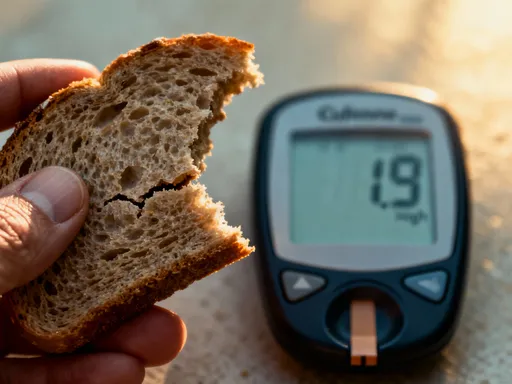
One of the most common signs is the afternoon energy crash — that sudden drop in alertness between 2 p.m. and 4 p.m., where focus fades and the desire to nap becomes overwhelming. This isn’t just about lunch being too heavy. It often reflects blood sugar instability. When meals are high in refined carbohydrates and low in protein and fiber, they cause a rapid spike and subsequent drop in blood glucose, leading to fatigue. A stable energy level throughout the day depends on balanced meals that support steady fuel release.
Another red flag is difficulty waking up, even after eight or more hours of sleep. If your alarm feels like an enemy and you rely on multiple snoozes, it may indicate poor sleep quality rather than insufficient sleep duration. Factors like stress, screen exposure before bed, or an irregular sleep schedule can prevent the body from entering deep, restorative sleep stages. Waking up refreshed should be the norm, not the exception.
Dependence on caffeine or sugar to function is another major clue. While occasional use is normal, relying on these substances daily to stay alert suggests your body isn’t producing energy efficiently on its own. Caffeine masks fatigue but doesn’t eliminate it, and sugar provides only a temporary boost followed by a crash. Over time, this cycle trains the body to expect external stimulation, weakening its natural energy regulation.
Frequent colds or infections are a sign of weakened immunity, which is closely linked to energy levels. The immune system requires significant resources to function, and when the body is already depleted, it becomes harder to fight off pathogens. Chronic stress, poor nutrition, and lack of sleep all contribute to immune suppression. If you’re catching every bug that goes around, your body may be telling you it’s overextended.
Finally, mood swings, low motivation, or a sense of emotional numbness can reflect energy imbalance. The brain consumes a large portion of the body’s energy, and when resources are low, cognitive and emotional functions suffer. You may find yourself snapping at loved ones, feeling indifferent about goals, or struggling to enjoy life. These aren’t just emotional issues — they’re signs that your nervous system is overwhelmed and in need of restoration.
How Body Functions Shape Your Energy Levels
Energy is not just a feeling — it’s a biological process regulated by multiple interconnected systems in the body. Understanding how these systems work together can help you make informed choices that support sustainable vitality. The nervous system, endocrine (hormone) system, and digestive system all play crucial roles in determining how energized or depleted you feel from day to day.
The nervous system acts as the body’s communication network, sending signals that regulate alertness, relaxation, and stress response. When it’s balanced, you can shift smoothly between activity and rest. But chronic stress keeps the sympathetic nervous system — the “fight or flight” branch — constantly activated. This leads to fatigue because the body never gets the signal to repair and recharge. Practices that support nervous system regulation, such as deep breathing and mindfulness, can help restore this balance.
The endocrine system, particularly the adrenal glands and thyroid, plays a key role in energy production. The adrenal glands release cortisol in response to stress, helping you stay alert. But when stress is constant, cortisol rhythms become disrupted, leading to fatigue, especially in the morning and afternoon. The thyroid gland regulates metabolism — how quickly your body converts food into energy. An underactive thyroid can cause persistent tiredness, weight gain, and low mood. While only a doctor can diagnose thyroid issues, supporting overall hormonal health through nutrition and stress management is within everyone’s reach.
The digestive system is often overlooked in energy discussions, yet it’s central to how well your body functions. About 70% of the immune system resides in the gut, and the gut microbiome influences everything from nutrient absorption to mood regulation. Poor digestion or an imbalanced gut can lead to inflammation, nutrient deficiencies, and low energy. Eating whole, unprocessed foods, chewing thoroughly, and maintaining regular meal times support digestive health and, by extension, energy levels.
One helpful analogy is to think of your body as a car engine. An engine needs the right fuel, regular maintenance, and time to cool down. If you put low-quality fuel in a high-performance car, it won’t run well — no matter how much you press the gas pedal. Similarly, your body needs quality nutrition, rest, and stress management to function optimally. Skimping on any of these areas leads to reduced performance. There is no single “fix-all” solution because energy is not generated by one system alone — it’s the result of harmony across multiple systems working together.
Practical Steps to Respond to Your Body’s Signals
Once you begin to recognize your body’s signals, the next step is taking action — not through drastic overhauls, but through consistent, manageable changes. Sustainable energy restoration comes from daily habits that support your body’s natural rhythms. These practical steps are not about perfection, but about creating a foundation of care that allows your system to heal and rebalance over time.
Sleep hygiene is one of the most powerful tools for restoring energy. Going to bed and waking up at the same time every day — even on weekends — helps regulate your circadian rhythm, the internal clock that governs sleep and wakefulness. Reducing screen exposure at least one hour before bed minimizes blue light, which can suppress melatonin, the hormone that signals sleep. Creating a calming bedtime routine — such as reading, gentle stretching, or listening to soft music — signals to your body that it’s time to wind down. A dark, cool, and quiet bedroom environment further supports restful sleep.
Nutrition plays a central role in energy stability. Starting the day with a protein-rich breakfast — such as eggs, Greek yogurt, or a smoothie with nut butter and seeds — helps stabilize blood sugar and prevents mid-morning crashes. Choosing whole foods over processed ones ensures your body receives the vitamins, minerals, and fiber it needs to function efficiently. Staying hydrated is equally important — even mild dehydration can cause fatigue, headaches, and poor concentration. Drinking water throughout the day, especially upon waking, supports cellular function and mental clarity.
Movement is another essential component. While intense workouts may seem like the best way to boost energy, for someone already depleted, they can add stress rather than relief. Light daily activity — such as walking, gentle yoga, or stretching — improves circulation, supports digestion, and helps regulate mood. These activities activate the parasympathetic nervous system, promoting relaxation and recovery. The goal is not to burn calories, but to move in ways that feel nourishing, not draining.
The mind-body connection is often underestimated in energy restoration. Simple breathing exercises — like inhaling slowly for four counts, holding for four, and exhaling for six — can calm the nervous system within minutes. Mindfulness practices, such as paying attention to the present moment without judgment, reduce mental clutter and emotional strain. Keeping a stress log — noting when you feel overwhelmed and what triggered it — helps identify patterns and create strategies for better coping. These tools don’t eliminate stress, but they change your relationship to it.
Building a Sustainable Routine Without Overwhelm
One of the biggest obstacles to lasting change is the desire to do everything at once. When you’re exhausted, adding more tasks — even healthy ones — can feel overwhelming. The key to building a sustainable routine is starting small and focusing on consistency, not perfection. Lasting transformation happens through tiny, repeated actions that gradually reshape your daily life.
A powerful strategy is habit stacking — linking a new behavior to an existing one. For example, if you already drink a glass of water in the morning, you can add a minute of deep breathing right after. If you brush your teeth at night, you can follow it with a short gratitude reflection. These small pairings make new habits easier to remember and maintain. Over time, they accumulate into meaningful change without requiring extra willpower.
Tracking progress can also support motivation. Keeping a simple journal to record your energy levels, mood, and sleep quality each day helps you see patterns and celebrate improvements. You might notice that on days when you eat a balanced breakfast, your afternoon crash is less severe. Or that after a week of consistent bedtime, you wake up more easily. These observations reinforce the connection between your choices and how you feel, making it easier to stay committed.
It’s important to set realistic expectations. Recovery from chronic fatigue doesn’t happen in a few days. It takes weeks, sometimes months, of consistent effort. There will be setbacks — days when you’re tired, stressed, or fall back into old habits. This is normal. Self-compassion is crucial. Instead of criticizing yourself for slipping up, treat yourself with the same kindness you’d offer a friend. Progress is not linear, and every small step counts.
Consistency over perfection is the guiding principle. You don’t need to eat perfectly, sleep eight hours every night, or meditate daily to make progress. What matters is showing up for yourself regularly, even in small ways. Over time, these choices build resilience, restore balance, and create a foundation for lasting energy.
When to Seek Professional Support
While lifestyle changes can significantly improve energy levels, there are times when professional support is necessary. Some symptoms may indicate underlying medical conditions that require diagnosis and treatment. Recognizing these red flags is an important part of self-care, not a sign of failure.
Unexplained weight loss, persistent insomnia, extreme fatigue that doesn’t improve with rest, or new-onset digestive issues should be evaluated by a healthcare provider. These could be signs of conditions such as thyroid dysfunction, anemia, vitamin deficiencies, or autoimmune disorders. Lab tests — including assessments of iron, vitamin D, thyroid hormones, and blood sugar — can provide valuable insights into what’s happening inside the body.
It’s important to understand that making lifestyle changes does not replace medical care — it complements it. A doctor can rule out serious conditions and guide appropriate treatment, while healthy habits support recovery and long-term wellness. Open communication with your healthcare provider about your symptoms and efforts is key to receiving the best care.
Seeking help is not a sign of weakness. It’s a responsible and courageous step toward healing. Many women hesitate to bring up fatigue, fearing they’ll be told it’s “just stress” or “part of aging.” But persistent exhaustion is not normal, and you deserve to feel vibrant and well. A qualified professional can help you navigate the path to recovery with accuracy and care.
True energy renewal starts with listening. Fatigue isn’t a flaw — it’s feedback. By learning to read your body’s health indicators, you shift from surviving to thriving. These practical steps aren’t about drastic overhauls, but building awareness and making kinder choices every day. Your body doesn’t need more pushing — it needs attention. Start there, and lasting vitality becomes not just possible, but natural.