How I Fixed My Energy Crashes with Simple Food Pairings
Ever feel sluggish after what you thought was a healthy meal? I did—until I discovered the real culprit: poor dietary combinations. It’s not just what you eat, but how you combine it. This shift didn’t just smooth out my energy; it improved digestion, focus, and even my mood. No extreme diets, no supplements—just smarter pairing choices that work with your body’s natural rhythm. Let me walk you through the changes that made a real difference.
The Hidden Problem: Why Good Foods Can Backfire
Many people believe that eating healthy simply means choosing whole grains, lean proteins, and fresh produce. While those ingredients are undoubtedly beneficial, the way they are combined can dramatically alter their impact on the body. A salad with grilled chicken might seem like a balanced meal, but when paired with a fruit-based dressing and followed by a piece of fruit for dessert, the digestive process can become inefficient. This mismatch in food types can lead to bloating, fatigue, and that all-too-familiar mid-afternoon crash. The problem isn’t the individual foods themselves, but how they interact once inside the digestive tract.
Digestion is a carefully orchestrated process that relies on specific enzymes and optimal pH levels in the stomach and intestines. When incompatible foods are eaten together—such as proteins and starches, which require different digestive environments—the body struggles to break them down efficiently. Proteins need an acidic environment to be digested, while carbohydrates begin their breakdown in the mouth with alkaline enzymes in saliva. When both are consumed at once, the conflicting pH requirements can slow digestion, leading to fermentation, gas, and discomfort. This inefficient process not only causes physical symptoms but also affects energy availability and mental clarity.
Another common misconception is that a meal is healthy simply because it contains nutritious ingredients. For example, a smoothie with banana, protein powder, oats, and almond milk may seem like a powerhouse of nutrition, but combining fast-digesting fruit sugars with slow-digesting protein and fiber can create digestive confusion. The fruit waits behind slower-moving foods, fermenting in the stomach and causing bloating. The result? A spike in blood sugar followed by a sharp drop—leading to cravings and fatigue shortly after drinking what was supposed to be a nourishing meal. Recognizing this hidden conflict is the first step toward more effective eating.
The Science Behind Dietary Combinations
To understand why food pairing matters, it’s essential to examine how macronutrients are processed. Carbohydrates, proteins, and fats each follow distinct digestive pathways and require different enzymes and conditions to be broken down. Carbohydrates begin digestion in the mouth with the enzyme amylase, which functions in an alkaline environment. Once they reach the stomach, digestion pauses until they move into the small intestine. Proteins, on the other hand, require an acidic stomach environment for pepsin to activate and begin breaking them down. Fats are emulsified by bile and broken down later in the digestive process, primarily in the small intestine.
When carbohydrates and proteins are eaten together in large quantities, such as in a steak and potato dinner, the stomach must balance competing pH needs. The acid required for protein digestion can deactivate the alkaline enzymes needed for carbohydrate breakdown, leading to incomplete digestion. This competition can result in food sitting in the stomach longer than necessary, increasing the risk of fermentation and gas production. Studies have shown that meals high in both starch and protein can delay gastric emptying by up to 50% compared to meals where macronutrients are more balanced or separated.
Blood sugar regulation is another critical factor influenced by food combinations. Meals that combine refined carbohydrates with little fiber or fat cause rapid spikes in glucose, prompting the pancreas to release insulin. When protein is added without sufficient fiber or healthy fats, the insulin response can still be exaggerated, leading to a quick drop in blood sugar—what many experience as an energy crash. In contrast, pairing complex carbohydrates with healthy fats and plant-based proteins slows glucose absorption, resulting in a more stable energy release. Research published in the American Journal of Clinical Nutrition has demonstrated that balanced meals with appropriate macronutrient ratios improve glycemic control and reduce insulin resistance over time.
Moreover, nutrient absorption is directly affected by food synergy. Certain nutrients enhance the bioavailability of others when consumed together. For example, fat-soluble vitamins like A, D, E, and K require dietary fat to be absorbed effectively. Eating a spinach salad with olive oil significantly increases the uptake of carotenoids compared to eating the greens alone. Similarly, vitamin C-rich foods can boost iron absorption from plant sources. These natural synergies highlight the importance of intentional food pairing—not as a restrictive diet rule, but as a way to maximize the benefits of real, whole foods.
Signs Your Combos Might Be Off
Many of the signs of poor food combining are subtle and often dismissed as normal parts of daily life. Frequent afternoon fatigue, for instance, is commonly accepted as inevitable, especially among busy individuals managing work and family responsibilities. However, consistent energy dips after meals—particularly after lunch—are not normal and often point to inefficient digestion or blood sugar imbalances. If you regularly feel the need for coffee or a snack within two hours of eating, it may indicate that your meal combination failed to provide sustained energy.
Brain fog is another overlooked symptom. This feeling of mental cloudiness, difficulty concentrating, or sluggish thinking after eating can be linked to poor nutrient delivery to the brain due to digestive strain. When the body is working overtime to process a complicated meal, less energy is available for cognitive functions. People often report clearer thinking and improved focus when they begin aligning their food choices with their body’s digestive rhythm. These improvements are not due to calorie restriction or fasting, but to more efficient digestion and stable blood sugar levels.
Bloating, gas, and inconsistent hunger patterns are additional red flags. If you feel full immediately after eating but then hungry again an hour later, your meal likely lacked the right balance of macronutrients to support satiety. Meals high in refined carbohydrates without adequate protein or fat leave the stomach quickly, leading to rapid digestion and early hunger. On the other hand, meals that combine too many dense foods—like beans, grains, and cheese—can sit heavily in the stomach, causing discomfort and prolonged fullness without true nourishment.
Another common scenario is the habit of eating fruit for dessert after a meal. While fruit is healthy, consuming it after a protein- or starch-rich meal delays its digestion. Fruit digests rapidly, usually within 20 to 30 minutes. When trapped behind slower-digesting foods, it ferments in the stomach, producing gas and bloating. Many people report immediate relief from digestive discomfort simply by moving fruit to the beginning of a meal or eating it as a standalone snack. These small adjustments, grounded in digestive physiology, can yield noticeable improvements in daily well-being.
Game-Changing Pairings That Actually Work
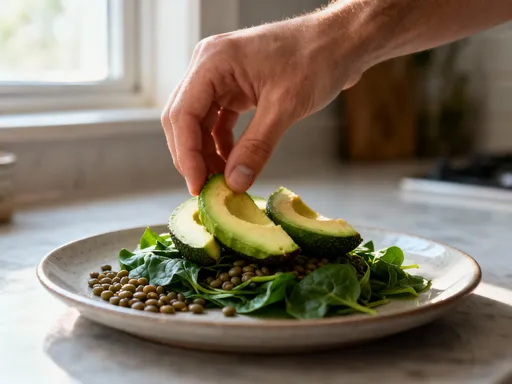
Not all food combinations are problematic—some are exceptionally effective at supporting digestion, energy, and nutrient uptake. One of the most beneficial pairings involves combining healthy fats with non-starchy vegetables. For example, drizzling olive oil over a spinach salad or adding avocado slices to roasted broccoli enhances the absorption of fat-soluble antioxidants like lutein and beta-carotene. These nutrients play key roles in eye health, immune function, and inflammation control. Without fat, much of their benefit is lost in digestion.
Another powerful combination is plant-based protein with complex carbohydrates. Lentils served with brown rice, chickpeas in a quinoa bowl, or black beans with sweet potato provide a complete amino acid profile while delivering sustained energy. Unlike animal proteins, plant proteins come packaged with fiber, which slows digestion and prevents blood sugar spikes. The fiber also feeds beneficial gut bacteria, supporting long-term digestive health. This synergy between protein and fiber-rich carbs creates a meal that keeps you full longer and supports stable insulin levels.
Incorporating healthy fats with low-glycemic fruits is another smart strategy. Instead of eating an apple alone, pairing it with a handful of almonds or a tablespoon of natural peanut butter slows the release of fructose into the bloodstream. The fat and protein buffer the sugar, preventing a rapid insulin response and subsequent crash. This simple change can transform a high-sugar snack into a balanced, energizing option that supports focus and satiety.
Green leafy vegetables paired with citrus or bell peppers offer another excellent example of food synergy. The vitamin C in citrus significantly enhances the absorption of non-heme iron found in spinach, kale, and Swiss chard. This is especially important for individuals who rely on plant-based iron sources. A salad of mixed greens with orange slices and pumpkin seeds not only tastes refreshing but also maximizes nutrient delivery. These combinations work with the body’s natural processes rather than against them, making nutrition more effective without requiring special supplements or exotic ingredients.
Combinations to Rethink (Not Eliminate)
Some popular food pairings, while culturally common, are not optimal for digestion. One of the most widespread habits is eating fruit immediately after a meal. As previously discussed, fruit digests quickly and should ideally be consumed on an empty stomach. When eaten after a heavy meal, it ferments due to delayed gastric emptying, leading to gas and bloating. Rather than eliminating fruit, the solution is timing—enjoying it as a morning snack or 20 minutes before a meal allows for efficient digestion and better energy utilization.
Another combination worth reevaluating is animal protein with starchy carbohydrates, such as steak with mashed potatoes or chicken with pasta. While satisfying, this pairing creates a digestive burden. The acidic environment needed to break down protein inhibits the initial phase of starch digestion, leading to partial breakdown and fermentation in the gut. Over time, this can contribute to bloating, fatigue, and even gut microbiome imbalances. Instead of avoiding these foods entirely, consider modifying portion sizes—pairing a smaller portion of protein with a larger serving of non-starchy vegetables and a modest amount of whole grains.
Dairy products combined with fruit, such as yogurt with granola and banana, are often marketed as healthy breakfasts. However, the lactose in dairy and fructose in fruit ferment at different rates, which can cause digestive distress in sensitive individuals. Additionally, many commercial yogurts contain added sugars that exacerbate the issue. A better alternative is plain, unsweetened yogurt with low-sugar berries and a sprinkle of chia seeds. This version reduces sugar load, adds fiber, and supports slower digestion, making it easier on the system while still being satisfying.
It’s important to emphasize that the goal is not elimination but awareness and adjustment. No single food is inherently bad, but the context in which it’s eaten matters. By making small, informed changes—such as eating fruit earlier in the day, reducing starch portions when consuming animal protein, or choosing lower-sugar dairy options—individuals can enjoy a wide variety of foods without sacrificing comfort or energy. These modifications are sustainable and adaptable, fitting into real-life routines without requiring perfection.
Building Balanced Meals Without Overthinking
Creating meals that support energy and digestion doesn’t require complicated rules or strict meal plans. A simple, flexible framework can guide daily choices: think in terms of an anchor, fuel, fat, and fiber. The anchor is the primary source of protein—such as beans, lentils, tofu, eggs, or modest portions of poultry. Fuel refers to complex carbohydrates like brown rice, oats, sweet potatoes, or whole grain bread, which provide steady energy. Fat includes healthy sources like avocado, olive oil, nuts, or seeds, which aid nutrient absorption and satiety. Fiber comes from vegetables, fruits, legumes, and whole grains, supporting gut health and blood sugar control.
Using this structure, a balanced meal might include grilled salmon (anchor), quinoa (fuel), steamed asparagus with olive oil (fat and fiber), and a side of sauerkraut (gut-supportive fiber). Another example could be a bowl with black beans (anchor), brown rice (fuel), diced avocado (fat), and a large portion of roasted vegetables (fiber). These combinations naturally balance macronutrients, support digestion, and prevent energy crashes. The key is proportion—prioritizing vegetables and fiber, moderating starches, and including protein and fat in every meal.
For breakfast, a simple plate might include scrambled eggs with spinach and tomatoes (anchor and fiber), a slice of whole grain toast (fuel), and a quarter of an avocado (fat). This meal avoids the blood sugar rollercoaster of a carb-heavy breakfast while providing lasting energy. Snacks can follow the same principles—apple slices with almond butter, carrot sticks with hummus, or a small handful of walnuts with a few blueberries. These choices are easy to prepare, affordable, and satisfying.
The goal is not perfection but consistency. No single meal defines your health, but daily patterns do. By gradually incorporating these principles, individuals can build sustainable habits that support long-term well-being. It’s not about labeling foods as “good” or “bad,” but about understanding how they work together in the body. Over time, these small decisions compound into greater energy, better digestion, and improved mood—without the stress of rigid dieting.
Long-Term Wins: More Than Just Digestion
The benefits of mindful food pairing extend far beyond the digestive tract. When meals are structured to support steady energy release, individuals often experience improved mental clarity, emotional stability, and physical endurance. Stable blood sugar means fewer cravings, reduced anxiety, and more consistent motivation throughout the day. Many women in their 30s to 50s report feeling more in control of their eating habits and less reactive to stress when their energy is balanced.
Metabolic health also improves with better food combinations. Repeated blood sugar spikes and crashes contribute to insulin resistance, a precursor to type 2 diabetes. By choosing pairings that slow glucose absorption—such as fiber-rich vegetables with lean protein and healthy fats—individuals support long-term metabolic function. Over months and years, these choices can reduce inflammation, support healthy weight management, and lower the risk of chronic disease.
Another often-overlooked benefit is improved sleep quality. When digestion is efficient and energy levels are stable during the day, the body is better prepared for rest at night. Eating heavy, poorly combined meals late in the evening can disrupt sleep by forcing the digestive system to work during rest hours. Shifting toward lighter, balanced dinners—such as a vegetable stir-fry with tofu and a small portion of rice—can promote deeper, more restorative sleep.
Perhaps the most profound change is the shift in relationship with food. Rather than viewing eating as a source of guilt or confusion, individuals begin to see it as an act of self-care. Each meal becomes an opportunity to nourish the body in alignment with its natural rhythms. This mindset fosters a sense of empowerment and confidence, replacing restrictive dieting with sustainable, science-backed choices. It’s not about following a trend, but about making peace with food and feeling good in your body—every day.
Improving dietary combinations isn’t about rigid rules or eliminating foods—it’s about working with your body, not against it. These shifts are simple, science-supported, and surprisingly powerful. When you eat in harmony with your digestion, the results go far beyond the plate. You feel steadier, sharper, and more in control. And that’s a change worth making—one meal at a time.