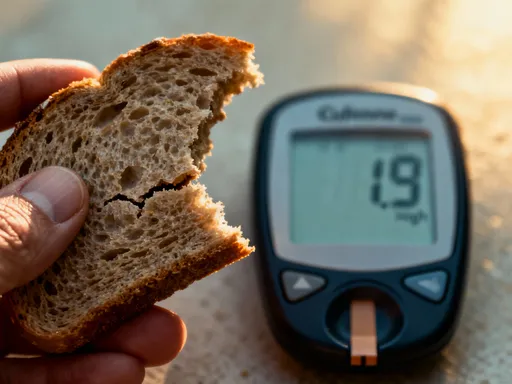
How I Caught My Health Issue Early—And What Changed Everything
I never thought I’d be the one to spot a serious health issue before symptoms hit. But thanks to a few simple, everyday habits—no fancy tests or hospital visits—I caught warning signs early. It wasn’t luck. It was awareness. Early detection isn’t just for doctors; it starts with you. This is how I took control, what I learned, and why paying attention to your body might be the most important thing you do. Many women in their 30s, 40s, and 50s carry the weight of household responsibilities, caregiving, and personal goals, often placing their own well-being at the bottom of the list. But health doesn’t wait for convenience. What I discovered is that the most powerful tool in preventing serious illness isn’t found in a lab—it’s in the quiet moments of daily observation, the willingness to listen, and the courage to act before a whisper becomes a scream.
The Wake-Up Call: When Normal Felt Off
It started with something small—a lingering fatigue that didn’t go away after a full night’s sleep. At first, I brushed it off as part of getting older, or just the natural result of juggling work, children, and household routines. I told myself that every woman in her mid-40s feels tired sometimes. But the exhaustion didn’t fade. It settled in like a constant companion, making even simple tasks—preparing breakfast, folding laundry, walking up the stairs—feel heavier than they should. Alongside the fatigue came changes in my digestion. I noticed bloating after meals I’d eaten for years without issue. My sleep, once deep and restful, became fragmented. I’d wake up multiple times, not from noise or stress, but with a vague sense of unease.
What surprised me most was how easy it was to ignore these shifts. Society often teaches women to push through, to be resilient, to keep the home running smoothly no matter what. I wasn’t in pain. I wasn’t bedridden. So, I kept going. But deep down, a quiet voice asked: Is this really normal? That question, small as it was, became the turning point. I realized that many serious health conditions—such as thyroid disorders, autoimmune issues, or early metabolic changes—begin with subtle, easily dismissed symptoms. Studies show that women are more likely than men to delay seeking care, often because their concerns are minimized, either by others or by themselves. I decided not to become another statistic. I committed to listening, not dismissing.
The risk of ignoring early signals is greater than many realize. Conditions like type 2 diabetes, hypertension, or certain hormonal imbalances can develop silently over years. By the time obvious symptoms appear, the disease may have progressed to a point where management is more complex. Early signs are not alarms—they are invitations to investigate. When I finally acknowledged that my body was sending signals, I shifted from passive endurance to active awareness. That shift didn’t require a diagnosis; it required honesty. And that honesty became the foundation of my health journey.
What Early Detection Really Means (And Why It’s Not Scary)
Many people hear “early detection” and think of cancer screenings or genetic testing. But in everyday life, early detection is much simpler: it’s the practice of noticing changes in your body before they become urgent. It’s not about fear or hypervigilance—it’s about pattern recognition. Just as a gardener learns the normal rhythm of their plants, you can learn the rhythm of your own body. When something deviates from that rhythm, it doesn’t always mean danger, but it does mean attention is due.
Small physical shifts—unexplained weight changes, skin texture alterations, shifts in appetite or bowel habits—can reflect underlying imbalances. For example, unexplained weight gain or loss, especially when diet and activity levels haven’t changed, can signal hormonal fluctuations, such as those related to the thyroid. Dry skin, hair thinning, or persistent cold intolerance may also point to thyroid dysfunction, which affects millions of women, often undiagnosed. Digestive discomfort that becomes routine might indicate food sensitivities, gut microbiome imbalances, or early signs of inflammatory conditions. The key is not to jump to conclusions, but to gather information over time.
Scientifically, catching health issues early improves outcomes significantly. When conditions like prediabetes or high blood pressure are identified in their initial stages, lifestyle interventions—such as dietary changes, increased physical activity, or stress management—can often prevent progression to full disease. The body has a remarkable capacity for self-regulation when given the right support. Early detection expands your options. Instead of facing aggressive treatments later, you may have the chance to make manageable changes now. It transforms health from a reactive process into a proactive one. And that shift—from reaction to prevention—is where true empowerment lies.
My Daily Check-In: The 5-Minute Body Scan That Works
One of the most effective tools I adopted was a simple morning routine: a five-minute body scan. This isn’t a medical procedure or a high-tech assessment. It’s a quiet, intentional moment to check in with myself before the day begins. I do it while sitting with my morning tea, before opening my phone or checking messages. The goal is to observe without judgment, to notice without reacting. Over time, this practice built a deeper awareness of my body’s baseline, making deviations easier to spot.
The scan begins with breath. I take three slow, deep breaths, focusing on how my body feels as I inhale and exhale. Does my chest move easily, or is there tightness? Next, I scan from head to toe. I ask myself: How is my energy level today? Do I feel rested, or is there a heaviness? I pay attention to my digestion—do I feel bloated or uncomfortable? I note any aches or stiffness, especially in my joints or muscles. I observe my skin—does it look clear, or is there unusual dryness or redness? I also check my mental state: Is my mind sharp, or do I feel foggy? Am I unusually irritable or anxious?
None of these observations are alarming on their own. A single day of low energy or mild bloating isn’t cause for concern. But when I began doing this consistently—every morning, without fail—I started to see patterns. For instance, I noticed that certain foods consistently led to afternoon fatigue and bloating. I also saw that poor sleep didn’t just affect my mood—it weakened my digestion and mental clarity the next day. This daily check-in didn’t require any special tools. It didn’t cost money. But it gave me something invaluable: a continuous feedback loop with my body. Over weeks, this routine transformed from a habit into a form of self-respect. I was no longer ignoring my needs; I was honoring them.
Tracking Trends: Why Journaling Changed My Health Game
While daily observations were helpful, I realized that memory alone wasn’t enough. To truly see patterns, I needed to record them. So, I started journaling—not about emotions or daily events, but about physical sensations. I used a simple notebook, dedicating a few lines each evening to note anything unusual: sleep quality, energy dips, digestion, mood, and even minor things like headaches or skin changes. I didn’t use apps or wearables; I wanted something low-pressure and accessible.
Within a few weeks, the journal revealed connections I hadn’t seen before. I noticed that days with high stress at work often led to disrupted sleep and increased digestive discomfort. I also saw that skipping breakfast didn’t save time—it led to low energy by mid-morning and overeating later. Most importantly, I spotted a recurring pattern: every time I ate dairy, I experienced bloating and mild fatigue the next day. This wasn’t immediate or dramatic, which is why I’d never noticed it before. But seeing it written down, repeated over several weeks, made it undeniable.
Journaling shifted my relationship with my health from reactive to investigative. Instead of asking, “Why do I feel bad today?” I began asking, “What happened in the last 24 to 72 hours that might explain this?” This small change in perspective made a big difference. It removed blame and replaced it with curiosity. When I finally shared this journal with my doctor, it provided a clear timeline of symptoms, making it easier to discuss possible causes. Tracking isn’t about obsession—it’s about clarity. And clarity leads to better decisions, whether that’s adjusting your diet, improving sleep hygiene, or deciding when to seek medical advice.
The Power of the Annual Check-Up (And What to Actually Ask)
No amount of self-monitoring replaces professional medical care. That’s why I now treat my annual check-up as a cornerstone of my health strategy. Even when I feel fine, I go. These visits are not just for illness—they are for prevention. A routine physical can catch issues before they become serious, especially when combined with informed dialogue. Over time, I’ve learned that the quality of the appointment depends not just on the tests ordered, but on the questions I ask.
I now come prepared with my journal notes, a list of concerns, and specific questions. Instead of saying, “I feel tired sometimes,” I say, “I’ve noticed low energy three to four days a week, especially after meals, and it’s been ongoing for six weeks. Could this be related to my thyroid or iron levels?” I ask which blood tests are appropriate based on my age, family history, and lifestyle. For women over 40, key markers include thyroid-stimulating hormone (TSH), vitamin D, fasting glucose, cholesterol panel, and complete blood count (CBC). I also ask my doctor to explain my results beyond the “normal range.” For example, a TSH level may be technically normal, but if it’s at the high end of the range, it could still indicate early thyroid dysfunction, especially if symptoms are present.
These conversations have empowered me to be a partner in my care, not just a patient. I’ve learned that “normal” lab results don’t always mean optimal health. Subtle shifts over time can signal emerging issues, which is why having a baseline and tracking changes year to year is so valuable. My doctor now compares my current results to past ones, looking for trends. This long-term view has helped catch minor imbalances early, allowing for timely interventions. The annual check-up isn’t a pass or fail test—it’s a checkpoint, a moment to review, reflect, and recalibrate.
Lifestyle as a Lens: Sleep, Stress, and Hidden Health Clues
As I dug deeper into my health patterns, I realized that many of my symptoms were intertwined with lifestyle factors—especially sleep and stress. Chronic stress doesn’t just affect mood; it disrupts hormones, weakens immunity, and alters digestion. Elevated cortisol, the primary stress hormone, can lead to weight gain, sleep disturbances, and even insulin resistance over time. Poor sleep, in turn, impairs cognitive function, increases inflammation, and reduces the body’s ability to repair itself. What I thought were isolated issues were often symptoms of the same root cause: imbalance.
I began making small but meaningful changes. I prioritized hydration, starting each day with a glass of water before coffee. I incorporated gentle movement—daily walks, stretching, or yoga—not for weight loss, but for circulation and mental clarity. I set a digital curfew, turning off screens an hour before bed to support melatonin production. I also practiced mindfulness, taking five minutes each day to breathe and center myself. These adjustments didn’t require drastic overhauls. They were sustainable, realistic changes that fit into my life as a busy woman.
What surprised me was how quickly some symptoms improved. Within weeks, my energy became more stable. My digestion normalized. My sleep deepened. I wasn’t curing anything—I was creating conditions for my body to heal itself. This experience taught me that lifestyle isn’t separate from health; it is health. The food we eat, the sleep we get, the way we manage stress—these are not background details. They are active participants in our well-being. By viewing lifestyle as a diagnostic lens, I could see how daily habits either supported or undermined my body’s balance. And with that awareness, I gained the power to choose.
Sharing It Forward: Why This Isn’t Just My Story
When I started talking openly about my health journey, I expected silence or polite nods. Instead, I was met with relief. Friends and family members—many in the same life stage—shared that they’d been ignoring similar symptoms. One friend realized her constant fatigue might be linked to her diet. Another decided to schedule a long-overdue check-up after hearing about my experience. What began as a personal practice became a quiet movement of awareness within my circle.
I’ve learned that normalizing body awareness doesn’t mean fostering fear. It means encouraging honesty. It means saying, “It’s okay to notice. It’s okay to ask questions. It’s okay to seek help.” We don’t have to be medical experts to care for ourselves. We just need to be present. Early detection isn’t about scanning for disease every day—it’s about building a relationship with your body, one rooted in attention and respect.
This journey has taught me that health is not a destination, but a practice. It’s not about perfection, but about consistency. The habits I’ve adopted—daily check-ins, journaling, informed doctor visits, lifestyle adjustments—are not extraordinary. They are accessible to anyone. And they’ve given me something priceless: peace of mind. I no longer wait for symptoms to force me into action. I listen. I respond. I protect my well-being before crisis strikes. This isn’t medical advice, but it is a mindset—one that has changed my life, and one that could change yours too.