What If Aging Wasn’t About Wrinkles—But Your Cells?
Aging is more than skin deep—it’s a biological process unfolding at the cellular level. Science now shows that how we age isn’t fixed; it’s influenced by lifestyle, environment, and daily choices. This article explores the science behind aging, revealing actionable insights to support long-term health. From telomeres to metabolism, discover how small changes today can make a lasting difference in how you feel—and how well you age. The way you live each day shapes the very foundation of your body’s aging process, not just how you look in the mirror, but how your organs function, how resilient your immune system remains, and how clearly your mind works over time.
The Hidden Truth Behind Aging: It’s Not Just Time
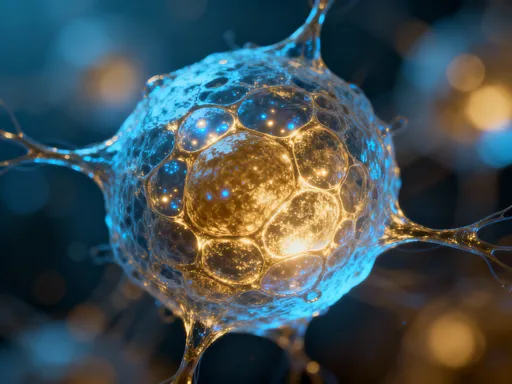
Aging has long been seen as an inevitable countdown—each birthday marking another step toward decline. But modern science is rewriting this narrative. Researchers now understand that aging is not simply the passage of time, but a complex biological process shaped by what happens inside our cells. At its core, aging involves gradual changes in cellular function, including the accumulation of DNA damage, reduced energy production in mitochondria, and the buildup of senescent cells—those that have stopped dividing but resist dying. These changes, once thought to be passive, are now known to be actively influenced by our behaviors and surroundings.
One of the most important shifts in thinking is recognizing that chronological age—the number of years since birth—does not always reflect biological age, which measures how well the body is functioning at a cellular level. Two women may both be 50 years old, yet one may have the cardiovascular health, energy, and metabolic markers of someone much younger. This divergence highlights that aging is not a fixed path, but a dynamic process that can be slowed, and in some cases even reversed, through intentional lifestyle choices. Studies from institutions like the Mayo Clinic and Harvard Medical School have demonstrated that factors such as diet, physical activity, sleep quality, and stress levels directly affect cellular aging.
Cellular senescence, for example, plays a significant role in tissue aging. When cells become senescent, they stop replicating and begin releasing inflammatory molecules that can harm nearby healthy cells. Over time, this contributes to chronic inflammation and tissue dysfunction, increasing the risk of conditions like arthritis, heart disease, and cognitive decline. However, research shows that certain lifestyle practices, such as regular exercise and a nutrient-dense diet, can help clear these senescent cells or reduce their harmful effects. Similarly, mitochondrial health—the ability of our cells’ energy factories to produce fuel efficiently—declines with age, but can be preserved through physical activity and proper nutrition.
Understanding aging as a modifiable biological process, rather than an unavoidable fate, empowers individuals to take meaningful action. It shifts the focus from cosmetic fixes to foundational health. The goal is no longer just to look younger, but to feel stronger, think clearer, and live more vibrantly at every stage of life. By addressing the root causes of cellular aging, it becomes possible to support long-term well-being and maintain independence and vitality well into later years.
Telomeres: Your Chromosomes’ Protective Caps
Imagine the tips of your shoelaces—the plastic or metal caps that keep the laces from fraying. Telomeres serve a similar protective function at the ends of your chromosomes. These repetitive DNA sequences shorten each time a cell divides, acting like a cellular clock. When telomeres become too short, the cell can no longer divide and enters a state of senescence or dies. This natural shortening is a key factor in aging, as it limits the lifespan of cells and contributes to tissue deterioration over time. However, the rate at which telomeres shorten is not set in stone—it can be influenced by lifestyle and environmental factors.
Research from the National Institutes of Health and other leading institutions has shown that chronic stress, poor sleep, smoking, and sedentary behavior are all associated with accelerated telomere shortening. For example, a landmark study published in the Proceedings of the National Academy of Sciences found that women who experienced high levels of psychological stress had significantly shorter telomeres, equivalent to up to ten years of additional aging. On the other hand, healthy habits such as regular physical activity, a balanced diet rich in antioxidants, and strong social connections have been linked to longer telomeres and slower cellular aging.
One of the most fascinating aspects of telomere biology is the enzyme telomerase, which can rebuild and lengthen telomeres. While telomerase is highly active in stem cells and certain immune cells, its activity is generally low in most adult tissues. Some studies suggest that lifestyle interventions may modestly increase telomerase activity. For instance, a study conducted by Dr. Dean Ornish and colleagues found that men who adopted comprehensive lifestyle changes—including a plant-based diet, moderate exercise, stress reduction techniques, and social support—showed increased telomerase activity after just three months. While these findings do not mean that aging can be reversed, they do suggest that the body retains a degree of plasticity and responsiveness to positive changes.
It’s important to note that while telomere length is a promising biomarker of cellular aging, it is not the sole determinant of health or longevity. Many factors contribute to how well a person ages, and telomere length should be viewed as one piece of a much larger puzzle. Still, the science underscores a powerful message: the choices you make today—how you manage stress, whether you move your body, what you eat—can influence the very structure of your DNA and the pace at which your cells age. This knowledge transforms abstract concepts of aging into tangible, actionable steps that support long-term cellular health.
Oxidative Stress and Free Radicals: The Slow Burn Inside
Inside every cell, a quiet but constant reaction is taking place—metabolism. As your body converts food into energy, it produces unstable molecules called free radicals. These molecules, also known as reactive oxygen species (ROS), have unpaired electrons, making them highly reactive. In small amounts, free radicals play important roles in immune function and cell signaling. But when their numbers grow too large, they begin to damage cellular components, including DNA, proteins, and lipids. This imbalance—when free radicals overwhelm the body’s natural defenses—is known as oxidative stress, and it is a major driver of aging and age-related diseases.
Think of oxidative stress like rust forming on metal. Just as oxygen causes iron to corrode over time, free radicals can “rust” your cells, leading to functional decline. Over decades, this slow, cumulative damage contributes to the deterioration of tissues and organs. It plays a role in conditions such as heart disease, neurodegenerative disorders like Alzheimer’s, and even vision loss. The body does have natural antioxidant defenses—enzymes like superoxide dismutase and glutathione peroxidase—that neutralize free radicals. However, these systems become less efficient with age, and lifestyle factors such as poor diet, pollution, smoking, and excessive sun exposure can further tip the balance in favor of oxidative damage.
One of the most effective ways to combat oxidative stress is through diet. Whole, plant-based foods—especially colorful fruits and vegetables—are rich in natural antioxidants like vitamin C, vitamin E, beta-carotene, and polyphenols. These compounds help neutralize free radicals and support the body’s own defense systems. For example, blueberries, spinach, nuts, and green tea are all excellent sources of antioxidants. It’s important to note, however, that antioxidant supplements have not consistently shown benefits in clinical trials and, in some cases, may even be harmful in high doses. The body appears to absorb and utilize antioxidants more effectively when they come from whole foods, where they work synergistically with other nutrients.
Real-world examples make this science relatable. Consider sun exposure: ultraviolet (UV) radiation from the sun increases free radical production in the skin, accelerating skin aging and increasing the risk of DNA damage that can lead to skin cancer. This is why dermatologists emphasize daily sunscreen use—not just for cosmetic reasons, but to protect cellular health. Similarly, processed and fried foods contain oxidized fats and advanced glycation end products (AGEs), which contribute to oxidative stress and inflammation. By choosing fresh, minimally processed foods and protecting yourself from environmental toxins, you can significantly reduce the daily burden of oxidative damage on your cells.
Inflammation: The Silent Accelerator of Aging
Inflammation is a natural and necessary response to injury or infection. When you cut your finger or catch a cold, your immune system launches an inflammatory response to fight off invaders and begin healing. This acute inflammation is short-lived and beneficial. But when inflammation becomes chronic—low-grade, persistent, and often symptomless—it turns from protector to aggressor. This condition, sometimes called “inflammaging,” is now recognized as a key driver of aging and many chronic diseases. Unlike acute inflammation, which has clear signs like redness and swelling, chronic inflammation operates silently, slowly damaging tissues over years or even decades.
Chronic inflammation affects nearly every system in the body. It contributes to the buildup of arterial plaque, increasing the risk of heart disease. It impairs insulin signaling, promoting metabolic dysfunction. It can even cross the blood-brain barrier, where it has been linked to cognitive decline and neurodegenerative conditions. Research published in journals like Nature Aging and The Lancet has shown that elevated levels of inflammatory markers—such as C-reactive protein (CRP) and interleukin-6 (IL-6)—are strongly associated with frailty, disability, and reduced lifespan in older adults.
Several lifestyle factors fuel chronic inflammation. Diets high in refined sugars, trans fats, and processed foods promote inflammatory pathways. A sedentary lifestyle reduces circulation and immune regulation, while poor sleep disrupts hormonal balance and increases inflammatory cytokines. Gut health also plays a crucial role—imbalances in the gut microbiome, often caused by low fiber intake or antibiotic overuse, can lead to a “leaky gut,” allowing bacterial fragments to enter the bloodstream and trigger immune responses. Stress, too, activates the hypothalamic-pituitary-adrenal (HPA) axis, leading to the release of cortisol and other molecules that, over time, can promote inflammation.
The good news is that inflammation is modifiable. A diet rich in whole grains, fatty fish, leafy greens, nuts, and berries has been shown to lower inflammatory markers. Regular physical activity, even moderate walking, helps regulate the immune system and reduce inflammation. Mindfulness practices like meditation and yoga can lower stress hormones and inflammatory activity. By addressing these root causes, it’s possible to calm the body’s inflammatory response and create a more favorable internal environment for healthy aging. Reducing inflammation isn’t about eliminating it entirely—it’s about restoring balance so that the body’s defenses work efficiently without causing collateral damage.
Lifestyle Levers That Influence Biological Age
One of the most empowering insights in modern health science is that biological age is not fixed. While you can’t change your chronological age, you can influence how quickly—or slowly—your body ages at the cellular level. Studies using epigenetic clocks, which measure chemical modifications to DNA that correlate with aging, have shown that people can lower their biological age through consistent, evidence-based lifestyle choices. These “levers” include physical activity, sleep, stress management, and nutrition—each of which has a measurable impact on cellular health.
Physical activity is one of the most potent anti-aging tools available. Exercise improves mitochondrial function, enhances insulin sensitivity, reduces inflammation, and supports cardiovascular and cognitive health. It also stimulates autophagy—the body’s process of cleaning out damaged cells and recycling cellular components. Both aerobic exercise, such as brisk walking or swimming, and resistance training, like lifting weights or using resistance bands, have been shown to slow cellular aging. Even modest amounts of daily movement—such as 30 minutes of walking—can make a meaningful difference over time.
Sleep is another critical factor. During deep sleep, the body repairs tissues, clears metabolic waste from the brain, and regulates hormones that control appetite, stress, and immune function. Chronic sleep deprivation accelerates telomere shortening, increases oxidative stress, and promotes inflammation. Aim for 7–9 hours of quality sleep per night, and prioritize sleep hygiene—keeping a consistent schedule, limiting screen time before bed, and creating a restful environment.
Stress management is equally important. Chronic stress elevates cortisol levels, which over time can impair immune function, increase blood pressure, and damage brain structures involved in memory and emotional regulation. Techniques such as deep breathing, meditation, journaling, and spending time in nature have been shown to reduce stress markers and support emotional well-being. Building strong social connections also buffers the effects of stress and is associated with longer telomeres and lower mortality risk.
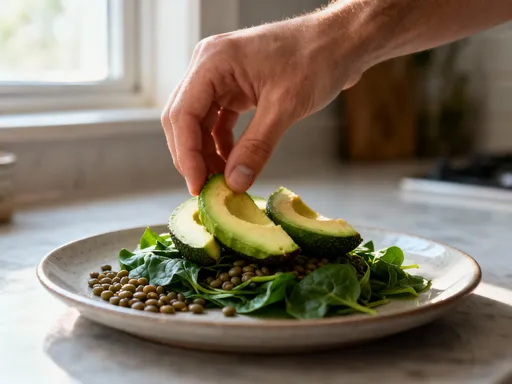
Nutrition completes the foundation. A diet centered on whole, unprocessed foods—vegetables, fruits, legumes, whole grains, nuts, seeds, and lean proteins—provides the nutrients cells need to function optimally. It supports gut health, reduces inflammation, and stabilizes blood sugar. Avoiding excessive sugar, refined carbohydrates, and processed meats helps prevent metabolic dysfunction and oxidative damage. The goal is not perfection, but consistency—making healthy choices the majority of the time, allowing for flexibility without guilt.
The Role of Metabolism and Insulin Sensitivity
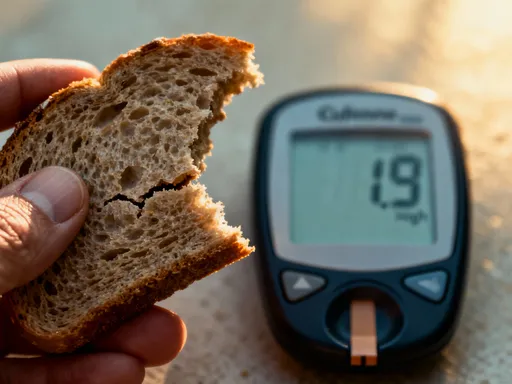
Metabolic health is a cornerstone of healthy aging. At its core, metabolism refers to the chemical processes that convert food into energy. But metabolic health goes beyond energy production—it includes the body’s ability to regulate blood sugar, manage fat storage, and maintain hormonal balance. One of the most critical aspects of metabolic health is insulin sensitivity, or how well your cells respond to the hormone insulin, which helps glucose enter cells for energy. When cells become resistant to insulin, blood sugar levels remain elevated, leading to a cascade of negative effects that accelerate aging.
Insulin resistance is a key feature of metabolic syndrome, a cluster of conditions that increase the risk of type 2 diabetes, heart disease, and fatty liver disease. It develops gradually, often due to a combination of excess body fat (especially around the abdomen), physical inactivity, and a diet high in refined sugars and processed carbohydrates. Over time, the pancreas must produce more and more insulin to compensate, leading to hormonal imbalance and increased oxidative stress and inflammation. This metabolic dysfunction doesn’t just affect blood sugar—it impacts nearly every organ system, including the brain, where it has been linked to cognitive decline.
The good news is that insulin sensitivity can be improved through lifestyle changes. Time-restricted eating, a form of intermittent fasting where meals are consumed within a specific window (such as 8–10 hours per day), has been shown to enhance insulin sensitivity and support metabolic flexibility—the ability to switch between burning glucose and fat for fuel. Fiber-rich diets, particularly those high in soluble fiber from oats, beans, and vegetables, slow glucose absorption and help maintain steady blood sugar levels. Regular physical activity, especially after meals, helps muscles take up glucose without needing as much insulin.
Monitoring metabolic markers—such as fasting blood glucose, HbA1c (a measure of average blood sugar over time), and waist circumference—can provide valuable insights into your metabolic health. Working with a healthcare provider to track these indicators allows for early intervention and personalized guidance. By prioritizing metabolic health, you’re not just preventing disease—you’re creating the internal conditions that support energy, clarity, and resilience as you age.
Raising Health Awareness: Small Steps, Big Impact
True anti-aging begins with awareness. Understanding that aging is not an inevitable decline, but a process shaped by daily choices, empowers individuals to take control of their health journey. The science is clear: while genetics play a role, lifestyle factors have a profound influence on how we age. The choices you make today—what you eat, how you move, how you manage stress, and how well you sleep—accumulate over time, either supporting cellular health or accelerating damage.
The goal is not perfection, but progress. Small, consistent changes often yield the greatest long-term benefits. Swapping sugary snacks for fruit and nuts, taking a 20-minute walk after dinner, practicing deep breathing before bed, or cooking a vegetable-rich meal at home—these actions may seem minor, but their effects compound over months and years. What matters most is consistency, not intensity. Sustainable habits are those that fit into real life, not extreme regimens that are difficult to maintain.
Equally important is seeking professional guidance. Regular check-ups with a healthcare provider allow for early detection of metabolic imbalances, inflammation, or other risk factors. Blood tests, blood pressure monitoring, and discussions about family history can inform personalized strategies for healthy aging. Nutritionists, physical therapists, and mental health professionals can also provide tailored support. Health is not a solo journey—it thrives on connection, guidance, and community.
In the end, aging is not something to be feared or fought, but a natural part of life to be navigated with wisdom and care. By focusing on cellular health, you invest in how you feel, how well you function, and how fully you live. Knowledge is the first step, but action is what transforms it into vitality. Every choice is a vote for the kind of life you want to lead—one of energy, clarity, and strength, no matter your age.