How I Cracked Light Fasting the Systematic Way—And Why It Actually Works
Fasting doesn’t have to mean extreme hunger or rigid rules. I started with simple, sustainable shifts—skipping breakfast, delaying lunch, giving my body real breaks. What surprised me? The clarity, the steady energy, and how naturally weight began to balance. This isn’t about deprivation; it’s about retraining your rhythm. Light fasting, done right, can quietly transform your health from the inside out.
The Burnout That Started It All
For years, I believed I was doing everything right. My meals were packed with vegetables, lean proteins, and whole grains. I avoided processed sugar and read every label. Yet, no matter how ‘clean’ my diet seemed, I felt constantly drained. By mid-afternoon, my focus would fade, my stomach would bloat, and I’d reach for a snack—again—just to push through. I wasn’t overweight, but my energy levels told a different story: one of metabolic confusion.
Looking back, the problem wasn’t what I was eating, but when. I ate breakfast at 7 a.m., a mid-morning snack by 10, lunch by 1, another snack at 4, and dinner around 7:30—with something small before bed. My body never got a break. Digestion was always active, insulin was constantly elevated, and my cells never switched into repair mode. I was feeding myself well, but on a schedule that worked against my biology.
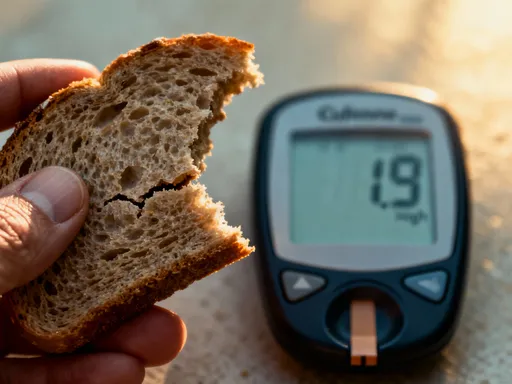
The turning point came after a routine check-up. My doctor noted slightly elevated blood sugar and mentioned that my symptoms—fatigue, brain fog, bloating—were common signs of insulin resistance, even in people with normal weight. That was the wake-up call. I began researching metabolic health and stumbled upon the idea of light fasting: not as a crash diet, but as a way to reset my body’s natural rhythms. The concept intrigued me—not because it promised rapid weight loss, but because it offered a sustainable way to feel better from within.
What Light Fasting Really Is (And What It’s Not)
When most people hear the word 'fasting,' they picture extreme hunger, days without food, or rigid religious rituals. But light fasting is nothing like that. It’s not about starvation, calorie counting, or pushing through discomfort. Instead, it’s a gentle, intentional pause in eating that allows your body to shift from constant digestion into a state of renewal and balance.
At its core, light fasting means shortening your daily eating window—typically to 8–12 hours—and giving your body at least 12–14 hours without food each night. This doesn’t require skipping meals permanently or surviving on juice. It’s about spacing meals mindfully, reducing unnecessary snacking, and letting your digestive system rest. For example, finishing dinner by 7 p.m. and not eating again until 9 a.m. the next day creates a 14-hour fasting window—simple, doable, and effective.
Unlike extreme fasting methods that may involve 24-hour or multi-day fasts, light fasting is designed for long-term integration into daily life. It doesn’t demand perfection. You don’t need to fast every single day to benefit. The goal isn’t deprivation, but rhythm. It’s about aligning with your body’s natural circadian biology, which thrives on regular cycles of feeding and fasting. Think of it like sleep: just as your brain needs darkness to reset, your metabolism needs downtime to function optimally.
One of the most common misconceptions is that fasting means slowing your metabolism. In reality, short-term fasting can actually support metabolic flexibility—the ability to switch between burning glucose and fat for fuel. This helps stabilize blood sugar, reduce cravings, and improve energy levels over time. Light fasting isn’t a diet trend; it’s a return to a more natural way of eating that humans practiced for centuries before constant snacking became the norm.
Why Your Body Loves a Break from Eating
When you eat, your body releases insulin to help cells absorb glucose from the bloodstream. This is normal and necessary. But when you’re eating every few hours, insulin levels stay elevated, and your cells become less responsive over time—a condition known as insulin resistance. This sets the stage for weight gain, fatigue, and long-term health risks like type 2 diabetes. Light fasting gives your insulin a chance to reset.
During fasting periods, insulin levels drop, allowing your body to tap into stored fat for energy. This shift not only supports healthy weight management but also improves metabolic markers. Studies show that time-restricted eating—such as a 12- to 14-hour nightly fast—can lead to improved insulin sensitivity, reduced inflammation, and lower oxidative stress, all of which contribute to long-term health.
Another key benefit happens at the cellular level: autophagy. This is your body’s natural 'cleanup' process, where old or damaged cells are recycled and removed. Think of it like a nightly maintenance crew in a busy office—once the workers go home, the custodians come in to tidy up, fix broken equipment, and prepare for the next day. Autophagy is most active during fasting periods, especially after 12 hours without food. This process supports cellular repair, reduces the risk of chronic disease, and may even slow aspects of aging.
Digestion itself is energy-intensive. When your gut is always working, your body diverts resources away from other important functions like immune defense, tissue repair, and mental clarity. By giving your digestive system a break, you free up energy for healing and regeneration. Many people report clearer thinking, better sleep, and reduced bloating once they begin consistent light fasting—because their bodies are no longer stuck in perpetual 'digestion mode.'
Building a System That Actually Fits Real Life
The biggest reason people fail at fasting isn’t lack of willpower—it’s lack of structure. Trying to jump into a 16-hour fast without preparation often leads to hunger, irritability, and quitting within days. The key to success is building a system that’s flexible, sustainable, and aligned with your daily routine.
I started with a 12-hour fast—eating dinner by 7 p.m. and not breaking my fast until 7 a.m. the next day. This felt manageable, especially since I was already sleeping for most of that time. After a week, I extended it to 13 hours, then 14. The gradual approach allowed my body to adjust without shock. The most helpful tool was the 'anchor meal'—keeping one meal, usually dinner, at a consistent time. This stabilized my internal clock and made the rest of the schedule easier to follow.
Hydration played a crucial role. I made it a habit to drink a large glass of water first thing in the morning, sometimes with a pinch of sea salt for electrolytes. This helped reduce early-morning hunger pangs and supported energy levels. Herbal teas—like chamomile, peppermint, or ginger—became my allies during fasting windows, offering warmth and satisfaction without breaking the fast.
Caffeine timing mattered too. I shifted my coffee to later in the morning, after a bit of water and light movement. This prevented the blood sugar crash that used to hit by 10 a.m. I also paid attention to sleep. Going to bed and waking up at consistent times reinforced my fasting rhythm, as circadian health and metabolic health are deeply connected. When sleep is stable, hunger hormones like ghrelin and leptin stay in balance, making fasting feel more natural.
Small lifestyle tweaks made a big difference. Instead of reaching for a snack in the evening, I’d take a short walk or sip herbal tea. After meals, I’d step outside for 10 minutes—just enough movement to aid digestion and prevent blood sugar spikes. These weren’t drastic changes, but together, they created a supportive environment for light fasting to thrive.
The 3-Week Progression Plan That Changed Everything
Many people try fasting with no clear plan and give up when results don’t appear overnight. What changed for me was following a structured, progressive approach that respected my body’s pace. Here’s the simple three-week plan that helped me build lasting habits without burnout.
Week 1: The 12-Hour Reset – I committed to a 12-hour fasting window, eating between 7 a.m. and 7 p.m. I didn’t change what I ate—just when. The first few days, I noticed mild hunger around 9 p.m., but it passed within 20 minutes. By day five, I was sleeping more soundly and waking without my usual grogginess. My afternoon energy dip was less intense, and I felt lighter, less bloated.
Week 2: Extending to 13–14 Hours – I pushed the eating window to 8 a.m.–6 p.m., creating a 14-hour fast. I skipped breakfast, starting with water and tea, then eating my first meal around noon. Initially, I worried about low energy, but the opposite happened. My focus sharpened, and I didn’t feel the 3 p.m. crash. Cravings for sweets decreased, and I realized many of my 'hunger' signals were actually habit or boredom.
Week 3: The 15-Hour Shift – I extended to a 15-hour fast, eating between 9 a.m. and 6 p.m. This meant skipping breakfast entirely, which felt natural by this point. I had one light meal—usually a smoothie or eggs with vegetables—around noon, followed by an early dinner. The changes were subtle but meaningful: my skin looked clearer, my mood was more stable, and I no longer felt the need to snack after dinner. Most importantly, I wasn’t counting calories or restricting food—I was simply eating in a way that honored my body’s rhythm.
Each week, I listened to my body. If I felt unusually tired or stressed, I shortened the fast. Progress wasn’t about hitting a number—it was about tuning in. The shifts weren’t dramatic, but they were consistent. Over time, my metabolism began to regulate itself, and the benefits compounded.
Common Pitfalls (And How to Dodge Them Smoothly)
Even with the best intentions, challenges arise. The early days of light fasting can bring hunger pangs, social pressure, or dips in energy. But most of these hurdles are temporary and manageable with the right mindset and strategies.
Hunger in the first few days is normal, but it’s often not true physiological hunger—it’s a conditioned response. Your body is used to eating at certain times, so when you delay a meal, it sends signals out of habit. I learned to pause and ask: 'Am I actually hungry, or is it just the clock?' Most of the time, a glass of water or a cup of tea quieted the sensation within minutes. Hunger waves typically last 15–20 minutes. If you ride them out, they pass.
Social situations can be trickier. Family dinners, holiday gatherings, or work events may not align with your fasting window. Instead of seeing this as a failure, I adopted a flexible mindset. If I attended a late dinner, I simply adjusted my next day’s schedule—starting the fast earlier or delaying the first meal. Consistency matters more than perfection. Missing one day doesn’t erase progress.
Another common mistake is overcompensating during eating windows. Some people, fearing hunger later, eat excessively large or heavy meals. This defeats the purpose. Light fasting works best when paired with balanced, nutrient-dense meals—plenty of protein, healthy fats, fiber, and vegetables. I found that eating mindfully and stopping at 80% full kept my energy steady and digestion comfortable.
Electrolyte balance is another silent factor. When you reduce snacking, you may also reduce sodium, potassium, and magnesium intake. Adding a pinch of sea salt to water or eating foods like avocado, spinach, or nuts helped prevent fatigue and headaches. Light movement—like stretching or walking—also supported circulation and reduced stiffness during fasting periods.
Beyond Weight: The Unexpected Perks of Metabolic Rhythm
While many start fasting to manage weight, the deeper benefits often have nothing to do with the scale. For me, the most meaningful changes were in energy, focus, and overall resilience. I no longer experienced the 3 p.m. crash that used to derail my productivity. My sleep deepened, and I woke feeling refreshed instead of groggy.
Digestion improved dramatically. Bloating, which I had accepted as normal, disappeared. My gut felt quieter, more balanced. I also noticed better skin clarity and fewer seasonal allergies—signs of reduced systemic inflammation. Hormone fluctuations, especially around my cycle, became more predictable and less disruptive. These weren’t dramatic transformations, but steady improvements that added up over time.
Perhaps the most surprising benefit was mental clarity. Without the constant cycle of blood sugar spikes and crashes, my thinking felt sharper. I could concentrate for longer periods, make decisions more easily, and felt less reactive to daily stressors. It was as if my brain had more bandwidth—because it did. With fewer resources tied up in digestion, more energy was available for cognitive function.
Long-term, light fasting isn’t just about feeling better now—it’s about building a body that ages well. Metabolic flexibility, cellular repair, and hormonal balance are foundational to longevity. By giving my body regular breaks from eating, I’m not just managing symptoms; I’m supporting its natural ability to heal, adapt, and thrive. This isn’t a short-term fix. It’s an investment in lifelong health.
The real power of light fasting lies in its simplicity. It doesn’t require special foods, expensive supplements, or complicated rules. It’s about returning to a natural rhythm—one that honors the body’s need for both nourishment and rest. When done systematically, it stops being a ‘diet’ and starts feeling like a quiet act of self-care. The results aren’t loud or flashy, but they’re deep and lasting: energy that lasts, focus that sharpens, and a body that feels more in tune with itself.